Self-Invested Personal Pension (SIPP)
Open a SIPP with the UK's most popular provider
Get a flexible way to invest for the retirement you want. Choose your own investments or our ready-made pension plan managed by experts.

What is a SIPP?
A Self Invested Personal Pension (SIPP) is a pension that lets you save and invest for retirement. You get generous tax benefits, and can bring old pensions together in one place.
You can usually access your pension from 55, rising to 57 from 6 April 2028.
-
Add up to £60,000 each year
Most people can pay up to £60,000 into their pension each tax year, depending on their personal annual allowance.
-
Get 25% tax boost
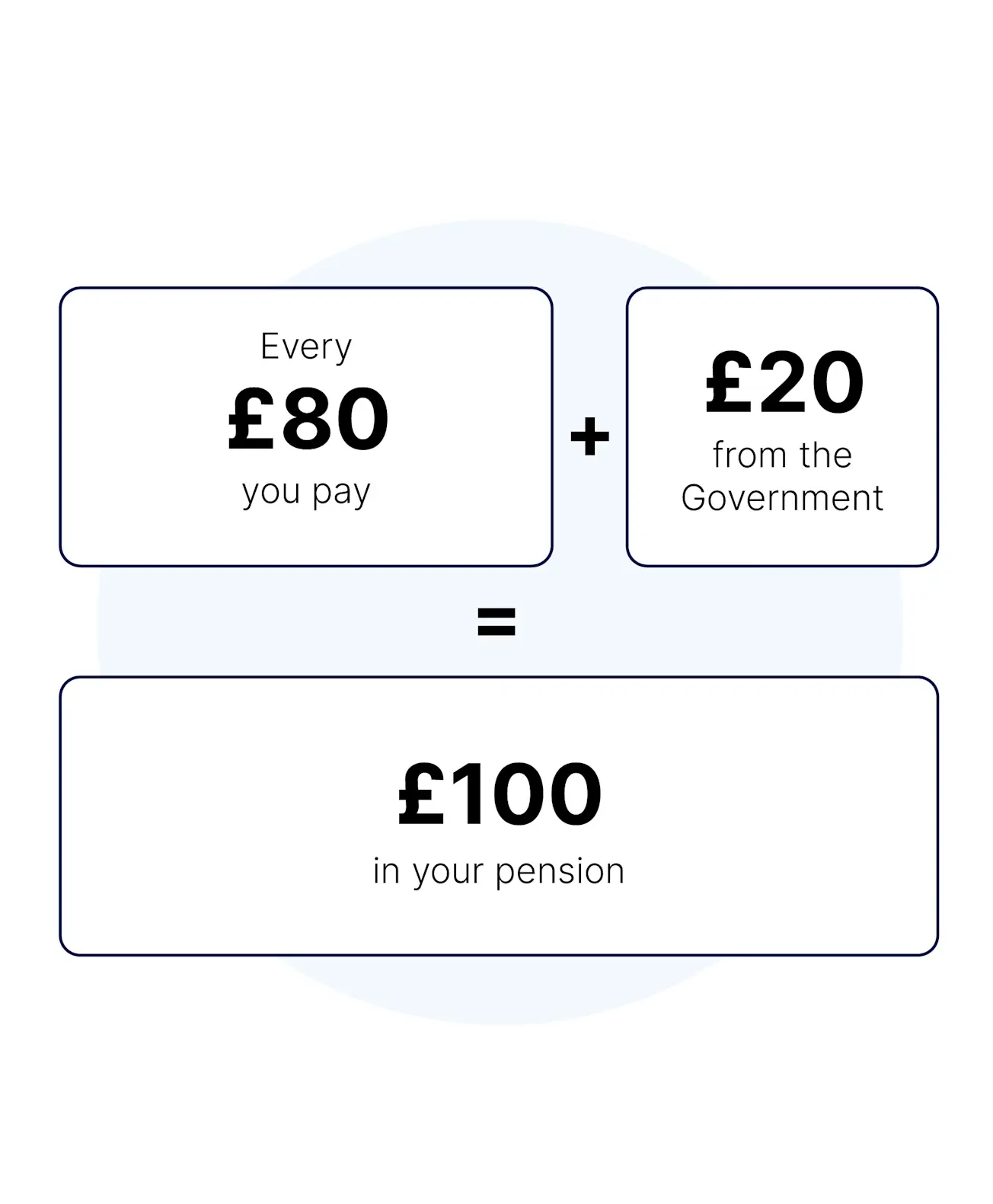
For every £80 you pay in, the government adds £20, making £100 in total. Higher-rate taxpayers are often able to claim extra tax relief. Pension and tax rules may change, and benefits depend on your circumstances.
-
No minimum to open
With the HL SIPP you can start with as little or as much as you like. Invest from £25 a month or make a one-off payment, and change or stop your contributions anytime.
-
Bring your pensions together
Transfer in old pensions and manage them all in one place. There’s no charge to transfer, but before you do, check whether you could lose any benefits or guarantees, or pay exit fees.
Help your pension grow through investing
Investing has typically delivered higher long-term returns than cash.

This example shows what happened to £10,000 invested on the global stock marketThe global stock market is made up of the shares of companies listed on stock exchanges around the world. 10 years ago. It grew to over £33,000, vs just £11,000 when saved as cash. As the graph shows, investments can go up and down in value, so you could get back less than you put in. How you invest may change as you approach retirement, depending on when and how you plan to access your pension. Returns will vary depending on your investments and past performance isn’t a guide to the future.
Source: Lipper, 31/08/2016 to 31/08/2026. Interest rates based on the average instant access rates available on £10,000.
Get a 25% pension boost
The government boosts your pension contribution by 25%. For every £80 you pay in, £20 is automatically added for you, making £100 in total.
We automatically claim this basic-rate tax relief and add it to your SIPP. If you pay tax at a higher rate you can claim back more through your tax return.
Get tax relief on contributions up to the amount you earn until age 75. How much you can add to your pension each tax year depends on your personal circumstances. Tax and pension rules can change.
SIPP charges
0.35%
Free to open, with an account charge of no more than 0.35% for holding investments. The investments you choose may have their own ongoing charges.
Dealing charges apply for one-off trades.
What you might pay if you invested
Investing £20,000 in a SIPP
Based on £20,000 held in funds. Fund management charges are set by the fund provider and vary by fund. The example uses an average fund charge of 0.38%, which is a weighted average of the fund charges for the top 20 funds by value held in the HL SIPP as of 18 August 2026.
Investing £50,000 in a SIPP
Based on £50,000 held in funds. Fund management charges are set by the fund provider and vary by fund. The example uses an average fund charge of 0.38%, which is a weighted average of the fund charges for the top 20 funds by value held in the HL SIPP as of 18 August 2026.
Investing £200,000 in a SIPP
Based on £200,000 held in funds. Fund management charges are set by the fund provider and vary by fund. The example uses an average fund charge of 0.38%, which is a weighted average of the fund charges for the top 20 funds by value held in the HL SIPP as of 18 August 2026.
Why choose the HL SIPP?
Enjoy wider investment choice, expert insights, and tailor your retirement income to suit your needs.
The UK’s most popular SIPP, now even better value.
Free regular investing - pay no dealing charge when you invest monthly.
Let our experts manage your investments with the Ready-Made Pension Plan
See your pension in one tap with our award-winning app.
The Ready-Made Pension Plan: Your simple investment solution
This ready-made investment option is designed for those who want a straightforward investment choice, which automatically adjusts risk exposure in line with retirement age.
It’s designed to help grow your pension in the early years and aims to provide greater protection from market falls in the run-up to retirement.

Why clients choose the HL SIPP
Meet Julie, our first ever SIPP client.
"One of my values is independence and flexibility. I needed a pension that would tick those boxes. The HL SIPP did that for me."
Meet Julie, our very first Self-Invested Personal Pension (SIPP) client, as she shares her inspiring journey of saving for retirement with HL.
Is a SIPP the right choice for you?
A SIPP could be a great option if you:
Want to boost your retirement savings beyond your workplace pension.
Have old workplace pensions you’d like to bring together into one easy-to-manage account.
Are self-employed and want a tax-efficient way to save for retirement.
Are a higher-rate taxpayer looking to lower your tax bill.
Are comfortable choosing your own investments (if not, you can choose a Ready-Made Pension Plan).
This isn’t personal advice. If you’re not sure what’s right for you, ask for financial advice. Investments can rise and fall in value, so you could get back less than you invest. Tax rules can change, and benefits depend on your circumstances.

FAQs
Here you'll find answers to the most frequently asked questions.
You can open a SIPP if you're:
Between 18 and 75 years old
A UK resident
A UK taxpayer (to benefit from tax relief)
You can open a SIPP whether you're employed, self-employed, or not currently working. There's no requirement to be employed – anyone can start a SIPP.
What do you need to open a SIPP?
You can set up an HL SIPP from as little as £25 a month, or by making a one-off contribution of £100 or more. All you need to hand is your National Insurance number and either your bank details or debit card.
You can also open a SIPP by transferring a pension. The fastest way to transfer is online. You'll need your pension name and type (e.g. Aviva personal pension), policy number and pension value (this doesn't have to be exact) to get started. You should be able to find these details on your annual statement or you can ask your current provider when you’re checking what exit fees apply or if you’ll lose any valuable benefits.
Yes, you can have both a SIPP and your existing workplace pension, and this can be a flexible way to top up your retirement savings tax-efficiently. If you have access to a workplace pension, make sure you’re maximising any employer contributions before deciding whether to pay into a SIPP.
You’ll also need to make sure the money put in across all your pensions each year (including any basic rate tax relief added by the government) doesn't go over the total pension annual allowance of £60,000.
You can hold multiple SIPPs, but there are important factors to consider. While it's possible to have more than one SIPP, managing all your pensions in one place is often simpler and more efficient. Keeping your pension funds consolidated allows for easier tracking and better control of your investments.
If you hold multiple SIPPs, you need to be mindful not to exceed the £60,000 pension annual allowance. It applies across all your pensions, including any workplace pensions.
Pensions are designed to help fund retirement, so you can usually access money in a SIPP from age 55 (rising to 57 in 2028). If you try to take your money out sooner, you may have to pay a penalty. There are circumstances under which you can access your pension early without a penalty. Speak to your SIPP provider or a financial adviser if you're unsure.
Do you have to pay tax on SIPP withdrawals?
Yes, you may have to pay tax on SIPP withdrawals.
25% of your pension pot can be taken tax free. The remaining 75% is taxed as income at your marginal rate, and added to any other income you've received in the same tax year.
For example, if you take a large withdrawal that pushes your total income above the basic rate threshold, the excess will be taxed at higher rates (20%, 40%, or 45%, depending on your total income).
Try our pension income tax calculator to see how your income might be taxed.
All of these retirement income sources are taxable:
A one-off lump sum (known as UFPLS)
An annuity (guaranteed income for life)
Withdrawals are added to your income for the year, so it’s wise to plan carefully to avoid moving into a higher tax bracket. Also, your first withdrawal may be taxed using an emergency tax code, which can lead to overpayment - though you can claim a refund from HMRC.
The pension annual allowance is set at £60,000 or 100% of your earnings, and this is the total value that can be paid into all your pensions each tax year before triggering a tax charge.
If you want to pay in more and you have unused allowances from the past three years, you may be able to do so.
If you have a ‘threshold income’ above £200,000 and an ‘adjusted income’ of more than £260,000, you will see your annual allowance reduce by £1 for every £2 of adjusted income over the £260,000 limit. This is called the Tapered Annual Allowance (TAA) and can be as little as £10,000.
Every UK resident under 75 qualifies for basic-rate (20%) tax relief on pension contributions, even children and other non-taxpayers. You can usually add whichever's highest out of the amount you earn, or £3,600, and receive tax relief each year. There is also an annual allowance (£60,000 for most people) which limits what you can pay in. Each contribution includes the money you put in, as well as what the government adds in tax relief.
This basic-rate tax relief is added to your pension automatically. Your pension provider claims it for you from the government and adds it to your pension.
If you pay higher-rate tax (40%) you can claim up to a further 20% in tax relief through your tax return or local tax office.
Top-rate taxpayers (45%) can claim back up to a further 25%. You must pay enough tax at the relevant rate to claim back the full amount.
If you’re a Scottish taxpayer the amount of tax relief you can claim is different. Take a look at our information on the Scottish income tax changes page.
Tax rules can change over time and the relief you receive depends on your circumstances.
We've won over 200 awards for our services