
Japanese manufacturers' confidence improved to its highest level in over four years in March, buoyed by the chemicals and petroleum sectors and a recovery in the semiconductor market, the Reuters Tankan poll showed.
However, concerns over the Middle East conflict, rising costs and sluggish Chinese demand cloud the outlook.
The monthly poll, which tracks the Bank of Japan's closely watched tankan survey, showed the manufacturers' sentiment index rose to plus 18 in March, the highest since December 2021, from plus 13 in February.
In the chemicals industry, confidence jumped to 21 from 13, largely due to increased demand from the chip-related industry.
"Sales to the semiconductor sector are strong for both equipment and devices. The outlook is also positive," said a manager at a chemical product company.
Similarly, optimism in the petroleum and ceramics sector soared, with the index climbing to 25 from 11 last month. A respondent cited a recovery in semiconductor markets and "significant order growth".
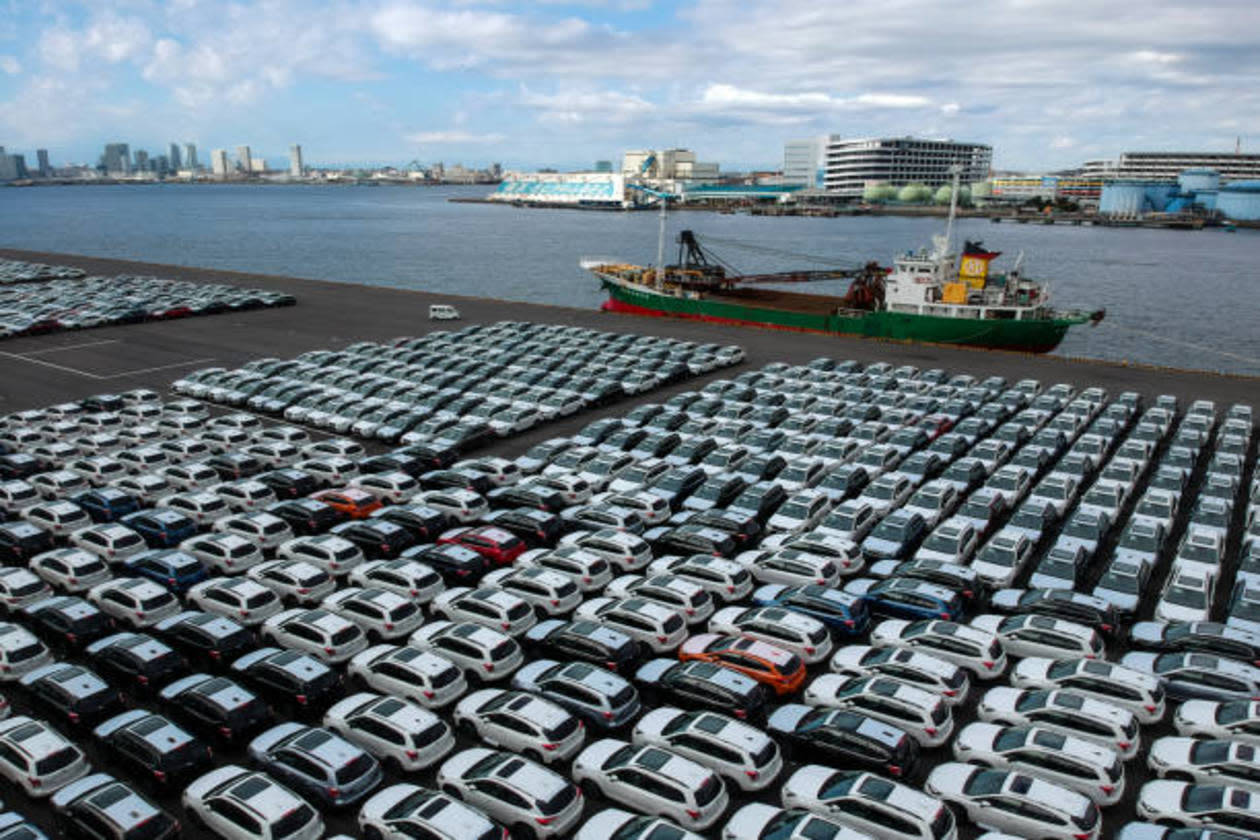
Sentiment for the transport machinery sector, which includes automakers and component suppliers, rose to 36 from 33 in February. This reflects "high order levels" and "solid vehicle production at client automakers," according to respondents in the sector.
But some segments lagged. The sentiment index among the textiles, paper, and pulp sector plummeted to 11 from 20.
"The U.S.-Iran conflict has put customers in a wait-and-see mode, which has made it difficult to forecast future demand," a manager at a paper and pulp company responded.
Meanwhile, sentiment in the steel and non-ferrous metal sector remained deep in negative territory at minus-25, though it improved from minus-44, with weaker orders for car-related steel cited.
For non-manufacturing sectors, sentiment remained unchanged at 25 in March, though some respondents in the retail sector voiced concerns over weak Chinese demand.
The poll was conducted between March 4-13, surveyed 492 major non-financial companies, with 216 responding on condition of anonymity.
The indexes are calculated by subtracting the percentage of pessimistic respondents from optimistic ones. A positive reading indicates more optimism than pessimism.
For the outlook, manufacturers expect business sentiment to deteriorate to 14 by June and the index for non-manufacturers is seen weakening to 21.
The BOJ is likely to keep interest rates steady on Thursday as the Iran war muddles the outlook, but signal its resolve to sustain its rate-hike bias.
(Reporting by Kaori Kaneko; Editing by Sam Holmes)
Copyright (2026) Thomson Reuters.
This article was written by Kaori Kaneko from Reuters and was legally licensed through the DiveMarketplace by Industry Dive.