
Malaysia's economic growth likely accelerated in the second quarter, supported by strong exports and resilient domestic demand, according to a Reuters poll.
Gross domestic product was expected to have grown 5.8% year-on-year in the April-June quarter, up from 5.4% in the first quarter, according to the poll of 21 economists conducted from August 6 to 12. The forecast was in line with a preliminary estimate released in July.
Forecasts ranged from 5.7% to 6.0%. Official gross domestic product (GDP) data is due on Friday.
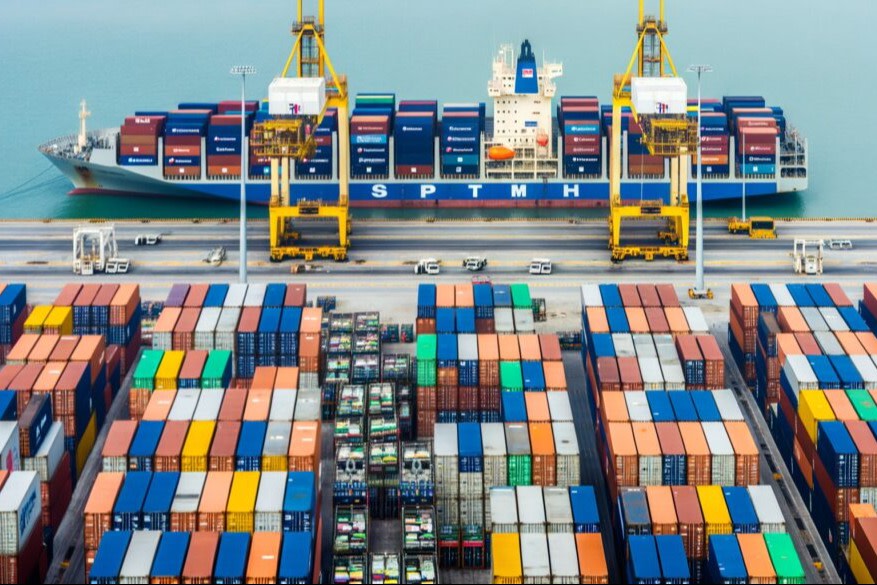
Malaysia's exports rose 45.4% in June, their fastest growth since August 2022, and the country recorded a trade surplus of 14.9 billion ringgit ($3.65 billion). The economy has emerged as Southeast Asia's fastest-growing data centre market.
"Strong demand for semiconductors, data-processing equipment and, with the adoption of AI, rapid growth in data centre capacity, particularly by U.S. and European technology firms looking to diversify manufacturing away from China," said Qi Hang Tay, an economist at Economist Intelligence Unit.
"I think that's going to lead to the upcycle continuing further."
Domestic demand has also remained resilient, supported by employment, fiscal measures and household spending.
Malaysia's economy is set to grow 4%-5% this year despite the Middle East conflict, the central bank governor said at a forum, broadly in line with the 4.5% forecast in a separate Reuters poll conducted last month.
"Employment conditions in Malaysia are supported; fiscal consumption measures introduced earlier in the year have helped, especially for lower-income groups. Credit card spending is also resilient in Malaysia," he added.
Electronics exports are likely to remain a key source of support, with AI-related demand still strong and little sign of a near-term slowdown, said Meekita Gupta, an economist at Pantheon Macroeconomics.
"I don't see any kind of demand tailing off for AI just yet, unless there's like a big tech sell-off in the market or dampening of AI sentiment," Gupta said.
Bank Negara Malaysia has kept its benchmark rate unchanged at 2.75% since July 2025 and is expected to keep it there through the end of 2027.
(Reporting by Renusri K; Polling by Pulkit Khanna and Rahul Trivedi; Editing by Shaloo Shrivastava and Sherry Jacob-Phillips)
Copyright (2026) Thomson Reuters.
This article was written by Renusri K from Reuters and was legally licensed through the DiveMarketplace by Industry Dive. Please direct all licensing questions to legal@industrydive.com.