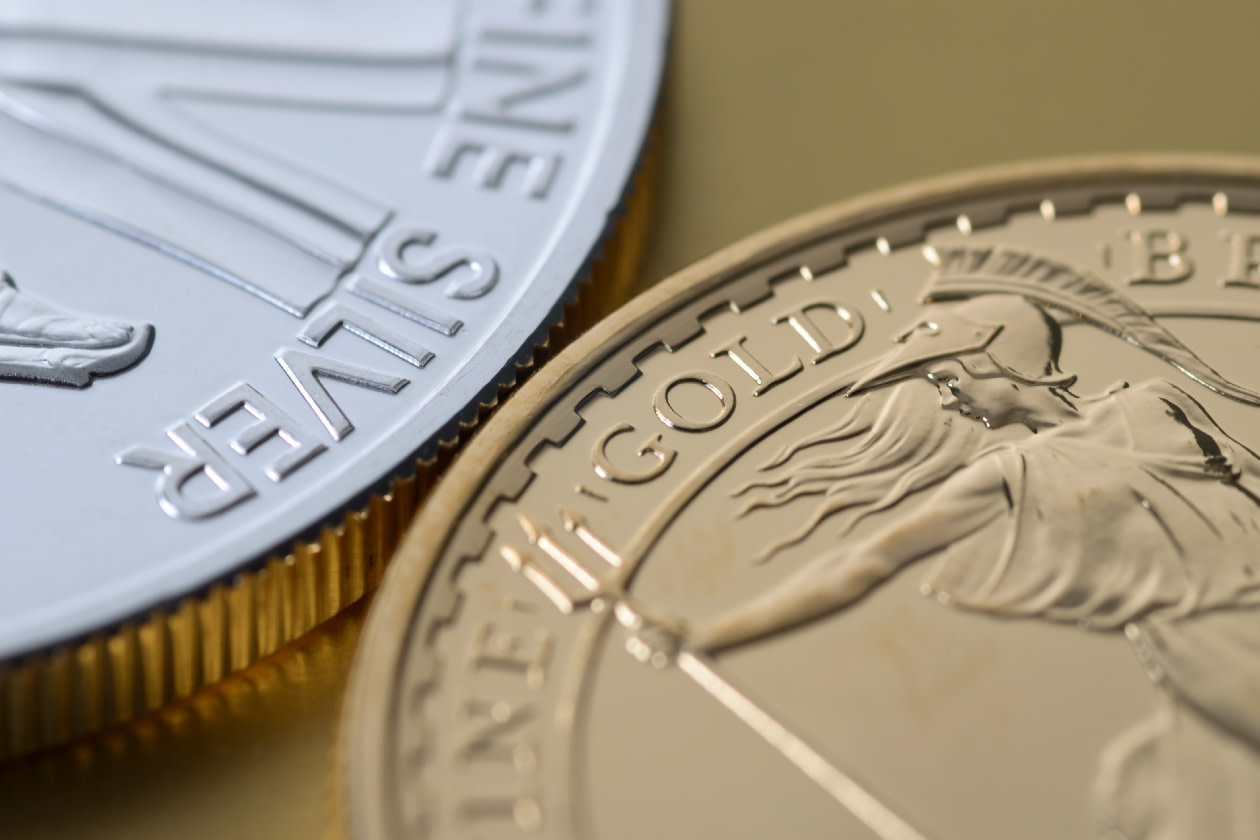

Silver has outshone gold in the blistering precious-metals rally, but the surge may be running into a real-world constraint: The industries that actually use the white metal may be starting to pull back.
Silver's blistering rally may push industrial to cut back or find substitutes, Saxo says.
Silver prices have surged far faster than gold as investors pile into hard assets.
Silver is a core material in solar panels, making the industry especially sensitive to rising prices.
"At some price level, fabricators and end users simply cannot absorb higher costs," Ole Hansen, the head of commodity strategy at Saxo Bank, wrote on Wednesday.
Industrial applications for silver include solar panels, electronics, and chips crucial to the AI buildout.
"They either try to pass them on and fail, cut back on purchases, or look for substitutes," Hansen added.
The spot silver price hit a fresh record high above $93 per troy ounce this week and is already up nearly 26% in 2026. The precious metal surged about 170% in 2025, far outpacing the 73% gain in gold prices over the same period.
Silver occupies a more complicated position than gold because it is both a precious metal and a core industrial input. This means it benefits from the same fear-driven demand that lifts gold, while also being tied to long-term themes such as electrification, solar energy, and electronics.
That mix made silver especially vulnerable to supply shocks. A physical short squeeze in London last year amplified the surge after inventories were left unusually thin by large flows of metal into US vaults amid tariff concerns.
Chinese production overcapacity and intense competition in recent years have driven up demand for the precious metal and other inputs.
With silver now trading around $91 an ounce, some industrial consumers are beginning to respond by cutting usage or turning to substitutes.
Recently, major Chinese solar manufacturers Longi Green Energy Technology and Jinko Solar said they would begin substituting some silver with cheaper base metals. Even so, it may take time before slower buying and the use of existing stockpiles become visible enough to change the broader narrative around silver's boom, Hansen wrote.
"Every rally eventually meets its limit, and for silver, the most likely brake is industrial demand destruction," wrote Hansen.
This article was written by Huileng Tan from Business Insider and was legally licensed through the DiveMarketplace by Industry Dive. Please direct all licensing questions to legal@industrydive.com.