Phishing scams
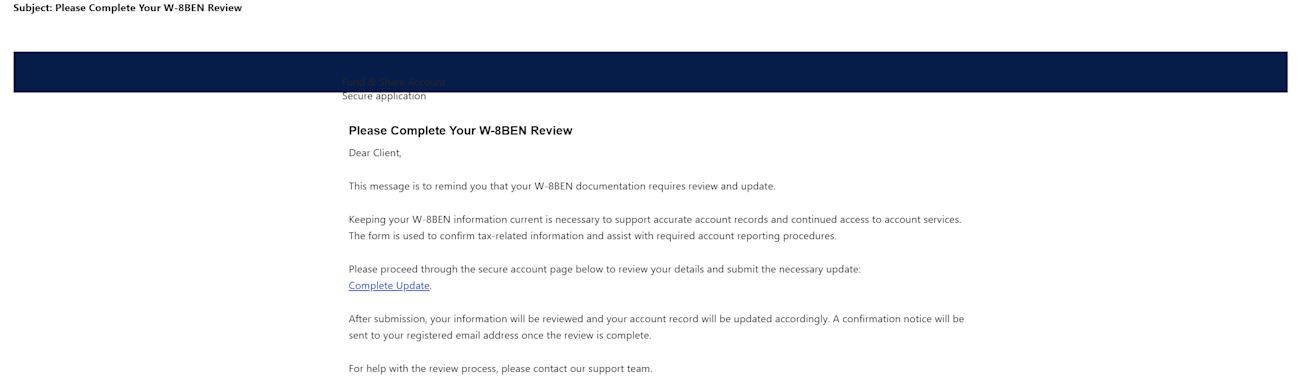
‘Phishing’ is when a scammer uses emails, texts or even phone calls to trick you into a scam.
Phishing communications are made to look like they’ve been sent by a genuine sender. They’re designed to trick you into disclosing confidential information. This happens when you reply to a fake email, open an attachment which then implants malicious software or a virus on your device, or click on links leading to fake websites prompting you to enter your data.
Security concerns
Have a question or wish to report fraudulent activity? Please call us on:
0117 900 9000
Mon - Fri: 08:00 - 17:00
Sat: 09:30 - 12:30
or you can email us at any time.
Phishing can happen through phone calls, fake texts, and social media posts. Watch out for communications pressuring you into acting quickly or asking for confidential information. And think twice before clicking on links or opening attachments from unverified sources.
HL will never ask you to disclose your login credentials or Secure Number in full.
If you receive any contact asking you to do this, do not proceed. Cease contact, block, and report it to us. If there is a concern you may have shared your details, call us immediately so we can perform a full reset to secure your account.
How to spot phishing scams
Some phishing scams are easier to spot than others. They might be emails or texts with bad grammar, come from unusual numbers or email addresses or just feel off.
But some scammers will try to be more sophisticated.
They might pose as an official from your bank, or as a government employee to trick you into revealing personal information. Some will put a time limit on your response and use fear or curiosity to make you respond.
Some will even time their communication with events like tax year end to convince you to hand over financial details before deadlines.
How to check if it's really phishing
If you’re worried about an email, text or phone call, contact the organisation directly using the official contact details from their website.Don’t use any contact details from the suspicious communication.
What to do if you’ve engaged with phishing communication
If you think your details are at risk, there are steps you can take to protect yourself from fraud.
Your bank details are valuable, keep them private and don’t hand them out to anyone suspicious. If you’re worried scammers have got hold of them, contact your bank and let them know. Their fraud team will be able to help.
The same is true for an account you think is at risk. Contact the right people to let them know and change your login details as soon as you can.
If you’ve accidentally clicked on a suspicious link and you’re worried about the safety of your devices, use an antivirus software to scan and remove any harmful software. If it’s a work laptop or phone, let your IT department know.
If you’ve lost money because of a phishing scam, contact your bank and Action Fraud if you’re in England, Wales or Northern Ireland. If you’re in Scotland, report it to the police.

Specific threats
What are clone firm investment scams?
Clone firm investment scams are financial operations which involve fraudsters using literature and websites that mirror the details of authorised firms, like pension providers or investment platforms.
They’ll try to convince you that they work for a genuine company and use high-pressure selling tactics to get you to buy ‘investments'. These ‘investments’ are worthless and often aren’t even offered by the company they’re pretending to be.
5 tips to help spot them
1. A seemingly genuine call to promote an investment – Scammers might call you promoting an investment or offer you money in exchange for your shares. We’d never do this.
2. Asking to send application forms by email – Scammers often ask you to send applications by unsecure email. Where possible, we’ll ask you to complete an application on our website, over the phone or by post. If you need to send an application by email, protect the attachment with a password and let us know what the password is separately.
3. Trying to discuss your personal information by unsecure email – If we need to talk to you about your HL account, we’ll contact you by secure message, which is sent to your online account.
4. Offering to invest in a product the genuine company doesn’t offer – HL will never call you to promote a particular investment or product. Scams on social media and search engines have become more popular with fraudsters recently.
5. Insisting you send money via bank transfer – Scammers often ask for money to be sent electronically to a bank account, overseas bank account or a currency exchange provider. The quickest and safest way to send us money is usually by debit card via our website or by calling us, but if you need to send us a bank transfer, you can contact us securely to verify the correct details before you make a payment.
For lots of fraudsters, this is a full-time job. They have the time and expertise to try and build a relationship with you. These scammers are extremely persistent and their aim is simple – to take your money. Remember, if it seems too good to be true, it probably is.
Protecting yourself from scams
Check the firm contacting you is FCA-authorised
The FCA authorises almost all financial services companies in the UK. If they’re not authorised, it could be a scam. You can check the Financial Services Register to see if a company or individual is authorised or registered. If you’re contacted by a company you’re not familiar with, you should always check the register before you act.
Check the company contacting you is genuine
To make sure you’re being contacted by a genuine company, you should call their switchboard number which you can find on the FCA Register. If they phone you, it’s usually best to end the call, check the register and then call the company back on the number found on the FCA website.
If you can’t find any contact details on the FCA Register or if the firm claims they’re out of date, check by calling the consumer helpline on 0800 111 6768.
If you’re dealing with an overseas company, you should check with the regulator in that country and also check the scam warnings from foreign regulators.
Remember, phone numbers displayed on incoming calls are easily spoofed by fraudsters to make it appear they’re calling from the expected location or company. If you don’t feel comfortable then it’s completely acceptable to stop, think and check before taking any action.
Check the FCA Warning List
Use the FCA Warning List to see if the company is known to be operating without the FCA’s permission.
Even if a firm isn’t on the FCA Warning List, it might still be a scam – scammers will change names and details all the time.
Reject unexpected investment offers whether made online, on social media or over the phone. Be wary even if you made the first contact.
What to do if you think you’ve been scammed
Call your bank straight away – they’ll be able to help you with the next steps.
If you’ve been defrauded or experienced cybercrime you should report it to Action Fraud either online or by calling 0300 123 2040.
If you've started a pension transfer and now suspect a scam, call your pension provider straight away. They might be able to stop it.
You should also report what’s happened to the FCA either online or by calling 0800 111 6768.
If you’ve noticed any suspicious activity on your HL account or think your account might’ve been compromised, then please contact our Online Support team on 0117 980 9984 as soon as possible.
Help with the emotional impact of fraud
If you do fall victim to fraud, this can have a huge emotional impact as well as being financially crippling. Victims can often feel embarrassed and don’t want to tell people what’s happened, even though they’re not to blame.
If you need to talk to someone about how you’re feeling, you can contact Victim Support either online or via their support line on 0808 168 9111. You can also contact Samaritans at any time of the day or night on 116 123.