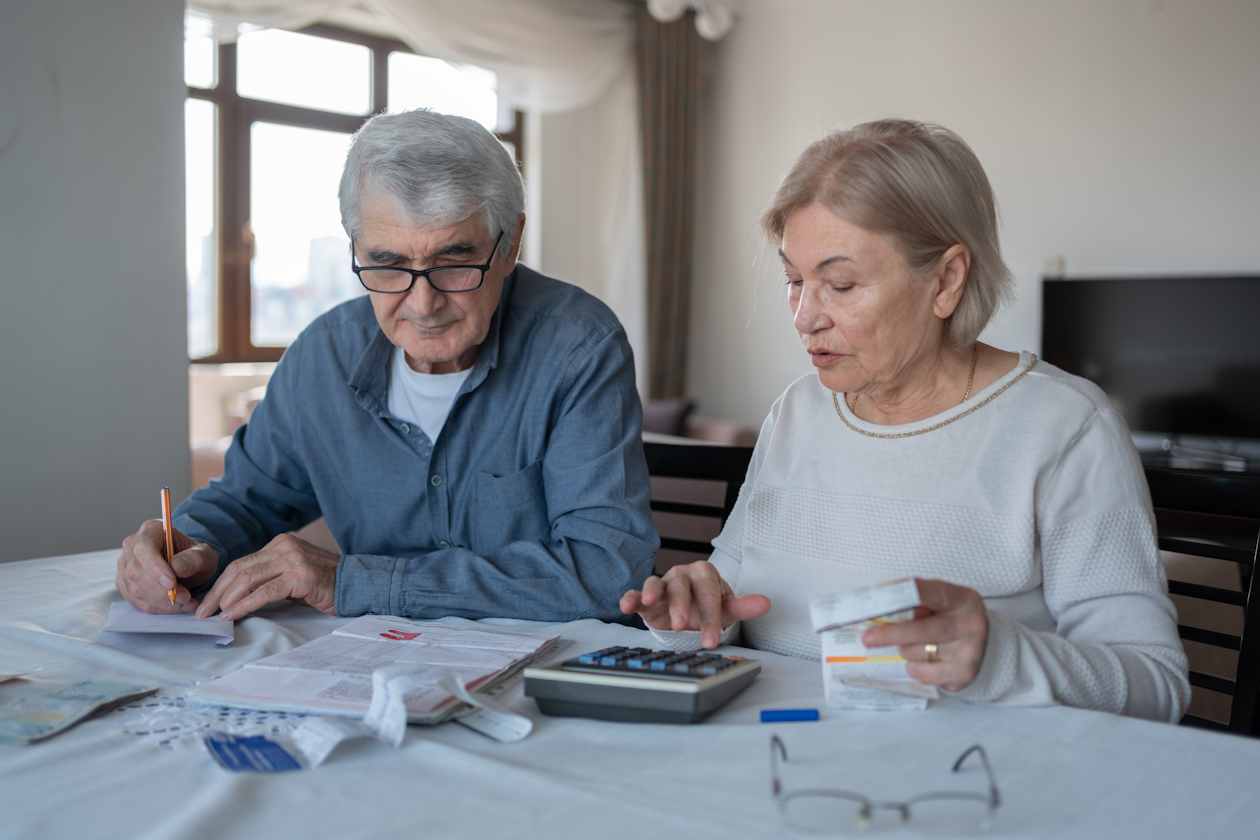


The clock is ticking towards the end of the tax year, but there’s still time to make some moves to boost your retirement resilience.
Making the most of your allowances as well as those of loved ones and keeping an eye on your State Pension will make a huge difference. But it’s also worth looking beyond pensions and making the most of your ISA allowances as well. This can give you an extra source of income to help manage your tax bill.
This article isn’t personal advice. Pension, ISA, and tax rules can change, and benefits depend on your circumstances. You can normally access the money in a pension from age 55 (rising to 57 in 2028). Scottish taxpayers have different tax rates and bands. If you’re not sure if an action is right for you, ask for financial advice.
Make the most of your allowances
A person under 75 can make personal contributions up to their earnings, or £3,600 if lower, and still benefit from tax relief. There’s also an annual allowance which caps the total contributions that can generally be made across all pensions before incurring a tax charge. This is £60,000 for most people.
Personal contributions will benefit from tax relief at your marginal rate. So, a £1,000 contribution would cost a basic rate taxpayer £800. Higher rate and additional rate taxpayers benefit from extra relief with that £1,000 contribution effectively costing them as little as £600 and £550, respectively.
If you have any unused allowances from previous tax years, then you may be able to make use of carry forward rules that let you use unused allowance from the previous three tax years. This means that someone in this tax year could contribute up to £220,000 to their pension (as long as they earn at least that amount).
Contribute to a loved one’s pension
If you’ve made the most of your own allowances and still have some spare cash, then you can boost the pension of a loved one. You can contribute up to £2,880 per year to the SIPP of a non-earning spouse or child and they will receive tax relief on the contribution bringing it up to £3,600.
This can be a great way of supplementing your partner’s pension during a time when they might be out of the workforce and caring for loved ones for instance.
Check your State Pension
The State Pension forms the very backbone of many people’s retirement income with a full new State Pension currently worth £11,973 per year. However, not everyone gets the full amount due to gaps in their National Insurance record.
You usually need at least ten years’ worth of National Insurance contributions to receive any State Pension and 35 years’ to get the full amount. It’s worth getting a State Pension forecast online to check you’re on track for your goals and see if there are any gaps.
If you do have gaps, then first check to see if you can fill them by backdating a claim for a benefit that comes with a National Insurance credit.
This can include someone who stayed at home to look after children but did not claim Child Benefit. Jobseekers Allowance and Universal Credit also come with National Insurance credits. If you were eligible for one of these benefits during one of these gaps, then you may be able to backdate a claim and fill the gaps for free.
Another option is to pay to fill the gaps. For every year you pay for you will get an extra 1/35th of your State Pension. Partial years cost less to fill than full ones and you can go back up to six tax years. However, before you hand over any money, check with the Future Pension Centre that you really will benefit.
If you were contracted out of the Additional State Pension you may find that you can’t pay to boost your State Pension any further. Contracting out was part of the old basic State Pension system where you opted out of the Additional State Pension in return for either lower National Insurance contributions or to have the money redirected into your workplace pension.
You cannot top up for those years you contracted out for, but you might still be able to top up for missing or partial years to get a full new State Pension. So, make sure you speak to the Future Pension Centre to understand all your options.
Don’t forget about the ISA
An ISA can play a huge role in helping you manage your tax bill. Money in an ISA will be protected from capital gains and UK dividend tax, and you won’t find yourself landed with a tax bill on any interest earned either.
They also bring extra flexibility in that money can be accessed when needed (although there’s a charge on certain withdrawals from a Lifetime ISA), as opposed to a pension where you normally need to be at least the age of 55 before you can take an income from it.
You can contribute up to £20,000 per year in total to your ISAs (up to £4,000 for Lifetime ISAs) though from April 2027 people aged under 65 will only be able to contribute up to £12,000 per year to a Cash ISA. Over 65s will retain their full Cash ISA allowance.
If you want to use a Stocks and Shares ISA but are unsure where you want to invest right now, you can always leave your contribution as cash to make the most of this year’s allowance and then make a decision on where to invest it later.
Unlike the security offered by cash, all investments fall as well as rise in value, so you could get back less than you invest.