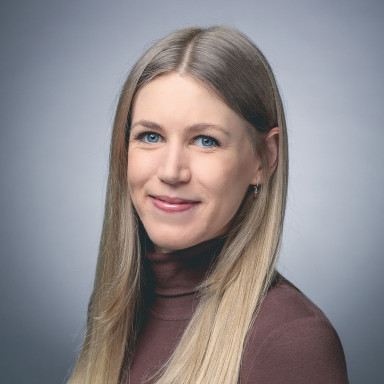
Fund managers Brian Hall and Stuart Brown are experienced income investors in European companies
The fund uses a more defensive investment approach that could help limit volatility compared to peers in times of uncertainty
The fund has paid an attractive income to investors over the long term. Remember, though, that yields and income aren’t guaranteed and can change over time
This fund features on our Wealth Shortlist of funds chosen by our analysts for their long-term performance potential
How it fits in a portfolio
The BlackRock Continental European Income fund aims to pay investors an income and grow their investment over time. The managers mainly invest in larger, more established European businesses but have the flexibility to invest in higher-risk small and medium-sized businesses as well.
We think that the fund could work well in an investment portfolio focused on income or provide diversification to European and other global funds focused on growth. The managers also aim to provide some resilience during turbulent markets, which could provide some balance in a more adventurous portfolio.
Manager
Brian Hall started his investment career in 1999, joined BlackRock in 2007, and became co-manager of this fund in March 2021. He has a long track record of investing in European companies and has focused on value companies – those that have been through a tough time that the manager believes is temporary or where the share price doesn’t reflect the future potential. This style is complementary to income investing.
Hall has also managed the BlackRock GF European Value fund since December 2010 and co-managed another European income fund (which unlike this fund includes some investment in UK companies) since 2021. We think that this is a reasonable workload as each fund’s managed with a similar investment process, and there’s a degree of overlap.
Stuart Brown previously spent 11 years at Aberdeen and has managed European income funds since January 2021. He joined BlackRock in July 2024. We believe that Hall and Brown have so far built a productive working relationship, valuing each other’s experience and skillsets.
The managers also work closely with and draw on the support of the wider European team at BlackRock, where idea sharing, challenge and debate are encouraged. It’s currently one of the largest teams covering European shares in the industry, and we hold the team in high regard. There have been several changes to the team over the years, which we’ll continue to monitor alongside any impact on this fund.
Process
The fund aims to provide a growing income, with the potential for long-term growth. To achieve this, the managers can invest in both ‘growth’ and ‘value’ stocks, but their overall approach is a focus on business quality. They balance quality dividend-paying companies with the potential for dividend growth over time, with companies that pay a higher income now but perhaps have less potential for growth.
The managers also aim for the fund to be less volatile than others investing in Europe and to provide some resilience during tough markets. Therefore, they consider how cash generative a business is and how resilient they think it’ll be in a market downturn. This typically leads them to avoid certain parts of the market, like autos and airlines.
The managers divide the fund into three areas. About half is invested in companies offering a higher yield (a measure of income) than the market, 30% in more resilient businesses with the potential to grow earnings and dividends, and 20% in lower-yielding companies with greater potential for capital and dividend growth.
The types of companies held within each portion has evolved alongside a changing market backdrop. In a recent meeting, the managers explained that strong share price performance from banks and insurers has reduced the yields available from the higher-yielding portion of the fund, although they continue to find opportunities in these sectors. These include Spanish bank CaixaBank and Dutch insurer ASR Nederland. Overall, the managers favour financial businesses that they consider to be more resilient.
The fund used to invest more in consumer staples and healthcare companies for resilience. The managers have become more cautious because some of these businesses have struggled to grow. Instead, they’ve found more opportunities in industrial companies with recurring revenues and pricing power, such as elevator manufacturer Kone and lock maker Assa Abloy. The fund also invests in companies including Schneider Electric and Siemens, which could benefit from long-term investment in electrification and data centres.
The managers have also increased investments in utilities, including RWE and SSE. They believe spending on electricity grids and other infrastructure should support earnings and dividend growth in the sector.
The lower-yielding part of the fund can contain companies where the managers expect an improvement in earnings and cash flow to lead to share price growth. ASML, which makes equipment used to manufacture semiconductors, is one example. Its current yield is low, but the managers believe that demand linked to artificial intelligence (AI) could support earnings, cash flow and dividend growth.
Over time, the managers typically invest in 40-70 companies, (it is currently 52), so the fund can be concentrated. This means that each investment could have a meaningful impact on performance, which increases risk.
The fund lends some of its investments to others in exchange for a fee in a process known as stock lending. This process can add risk.
Culture
BlackRock is the largest asset manager in the world. The company was founded in 1988 by eight partners including current CEO Larry Fink and is known for both active and tracker funds across the world. Employees at BlackRock are encouraged to hold shares in the company so that they are engaged with helping the company perform well and grow.
The culture within the European investment team is also strong. At all levels, debate and challenge is encouraged, and the team works closely together daily. Managers and analysts both make good use of the overlap between other teams, which helps with idea generation.
BlackRock’s incentive structure rewards fund managers for good long-term performance. They’re also encouraged to invest in the funds that they run. We think that this aligns fund managers’ interests with those of investors.
ESG Integration
BlackRock made a company-wide commitment to ESG (environmental, social and governance issues) only in January 2020, at which point it required all fund managers to consider ESG risks.
BlackRock’s Investment Stewardship Team aims to vote at 100% of meetings where it has the authority to do so. They engage with companies, in conjunction with fund managers, and the results of proxy votes can be found on their website. That said, BlackRock has faced criticism in recent years for the limited support that it has given to shareholder resolutions focused on climate and other environmental and social issues. Although the firm has increased transparency around its voting activity and now routinely provides rationales for key votes, its support for environmental and social shareholder proposals has declined sharply.
In 2024, BlackRock announced that its US arm would step back from the Climate Action 100+ collective engagement initiative, citing legal considerations, although it suggested its international arm would remain a member.
In terms of this fund, the team has always considered ESG in their research, particularly the strength of governance. This part of the process has evolved over time, though. The developments have added to the depth of their analysis, their coverage of ESG considerations and their levels of engagement. ESG is fully integrated into their risk analysis as well and features in the stock selection criteria.
As the fund doesn’t specifically target an ESG score or outcome, managers are in charge of making investment decisions. They need to take ESG criteria into consideration but there are no limitations on what the fund can invest in.
As at the end of June, the fund invests 16.66% in companies involved with the extraction of oil, gas or coal. This could leave the fund vulnerable to fluctuations in commodity prices, regulatory changes aimed at reducing carbon emissions, and potential shifts in consumer preferences towards sustainable alternatives.
Cost
This fund is available at an annual ongoing fund charge of 0.91%. We think that this is a reasonable price to access a team whom we hold in high regard. The HL platform fee of up to 0.35% per year also applies, except in the HL Junior ISA, where no platform fee applies.
Both a buy and sell instruction will be subject to HL dealing charges. Find out more about our charges.
Please note that the fund's charges can be taken from capital rather than income. This increases the yield but reduces the potential for capital growth.
Performance
Since Hall became the fund’s co-manager in February 2021, the fund has grown 67.17%* to the end of August 2026, compared with 66.26% for the average fund in the IA Europe excluding UK sector. The fund has also tended to experience fewer ups and downs than its peers. As the fund is more defensive, we don’t expect it to fall as much as others in periods of uncertainty but expect it to lag when markets rise quickly, though it won’t always perform that way. Remember that past performance isn’t a guide to the future.
More recently, during the last 12 months to the end of August 2026, the fund has grown 14.64% compared with 17.77% for the average fund in the sector.
The fund’s more defensive approach held it back over the year as market returns were driven by a relatively narrow group of companies, particularly banks and businesses benefiting from investment in AI. The managers had meaningful exposure to banks but maintained broader diversification and invested less in technology than the wider market as the sector doesn’t tend to pay much of an income.
Investments in industrial companies were mixed. More defensive holdings such as Kone and Assa Abloy failed to keep pace with the rising market, though the managers remain positive about their longer-term outlook. In contrast, some investments linked to electrical equipment, data centres, aerospace and defence performed more strongly.
Not owning ASML at the beginning of the period detracted from performance. The managers later invested after reassessing its prospects and concluding that increased demand linked to AI could support stronger earnings. It’s now one of the fund’s largest investments. More broadly, the managers remain confident in the underlying progress of the companies held in the fund.
A key focus for the managers is to deliver a reliable and growing income. Over the long run, the fund has delivered an attractive income for investors, above the one produced by the market. The fund had a yield of 3.16% at the end of August 2026, though income is not guaranteed, and yields aren’t a reliable indicator of future income.
Annual percentage growth
August 2021 to August 2022 | August 2022 to August 2023 | August 2023 to August 2024 | August 2024 to August 2025 | August 2025 to August 2026 | |
|---|---|---|---|---|---|
BlackRock Continental European Income | -10.04 | 10.54 | 13.00 | 13.54 | 14.64 |
IA Europe Excluding UK | -14.42 | 13.46 | 13.58 | 8.68 | 17.77 |