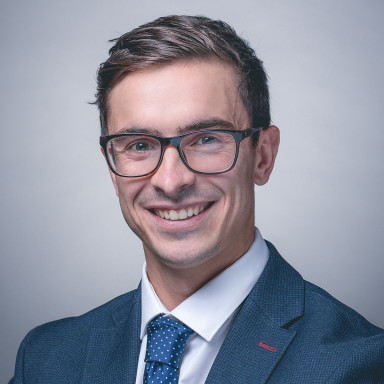

The fund is managed by Lauren Romeo, who is supported by a highly experienced team at Royce
The fund’s differentiated, value-focussed approach to investing in smaller companies means it has the potential to perform quite differently to other US equity funds
Performance has been through challenging periods, though recent returns have been strong. We continue to believe the fund has the potential to provide attractive returns over the long term
This fund is on our Wealth Shortlist of funds chosen by our analysts for their long-term performance potential
How it fits in a portfolio
The FTF Royce US Smaller Companies fund aims to deliver long-term growth by investing in unloved US smaller companies with the potential to come back into favour in future. It could be a good way to add US exposure to a global portfolio, or work well alongside funds focused on larger, more growth-style US companies. Smaller businesses are often among the most innovative and offer lots of growth potential, but they're higher risk than their larger counterparts.
Manager
The fund is managed by Lauren Romeo, who joined Royce and Associates in 2004 and became manager in 2010. We like the Royce team’s disciplined approach and think Romeo is an engaging and experienced fund manager with a passion for investing in smaller companies. Romeo is supported by a team with lots of experience, including the firm’s founder Chuck Royce who has been investing client money since 1973.
We believe the fund harnesses the skills of a talented team with a sensible investment approach. Romeo is also named as co-manager on some other funds in the US that invest with a similar philosophy as this fund. We’re satisfied that these responsibilities are manageable.
Process
Romeo aims to invest in companies that are unpopular with investors but where she believes their fortunes could be about to change. Romeo and her team spend a lot of time meeting with a company's managers to make sure they've got the skill and experience to turn the business around. They also speak to customers, suppliers and competitors to make sure the managers are executing their plan. Given the potential for short term headwinds it's important they don't have too much debt.
Romeo thinks this process provides opportunities to spot companies that are undervalued. This could provide some support when markets are weaker – if a company is already out of favour with investors, it might not be quite so exposed to a fall as a stock market darling. The team won't get it right every time though and even when they do, it can take some time for other investors to realise the opportunity and to see the share price rise. This means there will be periods where the fund underperforms and seems at odds with the wider market. This style of investing requires patience.
In terms of sector exposures, the biggest investment is in industrials at 38.9%, followed by information technology and consumer discretionary stocks at 15.4% and 12.8%, respectively. Romeo believes that industrials is a well-diversified sector and within that there are plenty of different types of companies with different sources of growth.
She has made a number of changes to the portfolio over the last 12 months. This includes technology and software service company Manhattan Associates. Romeo believes that the business will benefit from its advancements in AI. She also added safety equipment manufacturer MSA Safety and manufacturer of automotive part’s company Dorman Products.
She also sold a number of companies. Healthcare company Haemonetics was sold as they believe there is an increased pressure from competitors. Electronics manufacturing company Sanmina was also sold after a period of strong performance meant the valuation reached a level Romeo thought unusually high for a company in this sector.
Culture
The fund is managed by Royce and sits under the Franklin Templeton umbrella. Smaller-company value investing is Royce's specialism – it’s what they do and is where their expertise lies. This single focus distinguishes the firm from other asset managers in the US. Fund managers at Royce are required to invest substantial amounts in the funds they run and have variable bonuses based on the long-term performance of their funds. We feel this is a positive and ensures alignment with the interests of investors.
ESG Integration
Responsibility for carrying out ESG analysis sits with individual analysts and portfolio managers, and all stock research must consider the material and relevant governance, social and environmental factors that could impact a company’s valuation and ability to generate sustainable returns.
The firm offers a range of strategies that take a more hands-on approach to thematic investing and impact. All investment teams have access to a dedicated Stewardship & Sustainability Council, which brings together leaders in stewardship and sustainable investing from across Franklin Templeton’s investment teams, covering every asset class and strategy range. The Council shares best practice and thought leadership with the wider business. There is a firm-wide commitment to avoid controversial weapons.
Franklin Templeton fund managers and analysts engage with the companies they invest in to review issues they believe are material to the firms’ long-term prospects. They also vote at shareholder meetings wherever possible. The firm publishes regular ESG-focused articles and an annual stewardship report. It also outlines its voting activity on a fund-by-fund basis, although voting rationale is not available.
Romeo considers ESG issues when researching individual companies. She thinks these factors have the potential to affect the long-term value of the investment and thinks sound understanding of how these factors could affect businesses is an important part of managing risk in the fund. That said, this is not a specialist responsible or sustainably invested fund.
Investors should note that this fund has one of the highest ESG risk profiles of the 100 funds under research coverage. The companies within the fund could therefore face increased regulatory scrutiny, reputational damage, and operational challenges, potentially impacting the fund's future performance.
Cost
This fund is available at an annual ongoing fund charge of 0.82%, but with a 0.33% saving it’s available to HL clients for 0.49%. The fund discount is achieved through a loyalty bonus, which could be subject to tax if held outside of an ISA or SIPP.
Our platform charge of up to 0.35% per year also applies, except in the HL Junior ISA where no platform charge applies. Both a buy and sell instruction will be subject to HL dealing charges.
Performance
Since Romeo became a co-manager in 2010, the fund’s grown 412.8%*. While this is an attractive return, it’s behind the 589.4% for the average fund in the IA North American Smaller Companies sector. This is disappointing, however we still have conviction in Romeo’s abilities and the fund’s long-term performance potential. Romeo has remained disciplined in her approach to investing for over 15 years and we believe she can provide investors with attractive returns over the long run, with the potential to provide some stability compared with peers during volatile times.
Although the fund has gone through periods of underperformance, returns have been better more recently. Over the five years to the end of September 2026 the fund has returned 43.6%, outperforming the IA North American Smaller Companies sector which has returned 26.6%. Over the last 12 months the fund has risen 22.9% versus 17.7% for the IA North American Smaller Companies peer group. Past performance isn’t a guide to the future.
The manager’s stock selection has been the main driver of performance over the last 12 months particularly in the technology sector. This is positive as it suggests the managers’ company analysis has added value, rather than performance being dominated by investing in the right sectors
Many of the fund’s strongest-performing companies benefited from the continued growth of artificial intelligence (AI), particularly the build-out of the data centres and semiconductor infrastructure needed to support it. MKS Instruments was among the fund’s best performers as demand increased for its critical components used in semiconductor manufacturing equipment. Cohu, which also operates within the semiconductor industry, performed well for similar reasons.
Among the detractors was Maximus, a tech-enabled provider of services supporting the delivery of government benefit programmes. The company downgraded its 2026 outlook following the US government shutdown earlier in the year. JBT Marel, which provides equipment to the food and beverage industry, also detracted from returns amid concerns that higher inflation could weaken consumer spending and lead manufacturers to delay investment in new equipment.
Annual percentage growth
September 2021 To September 2022 | September 2022 To September 2023 | September 2023 To September 2024 | September 2024 To September 2025 | September 2025 To September 2026 | |
|---|---|---|---|---|---|
FTF Royce US Smaller Companies Fund | 0.51% | 10.87% | 5.69% | -0.74% | 22.87% |
IA North American Smaller Companies | -10.31% | 0.55% | 13.25% | 5.27% | 17.72% |