

When is the Autumn Budget 2026?
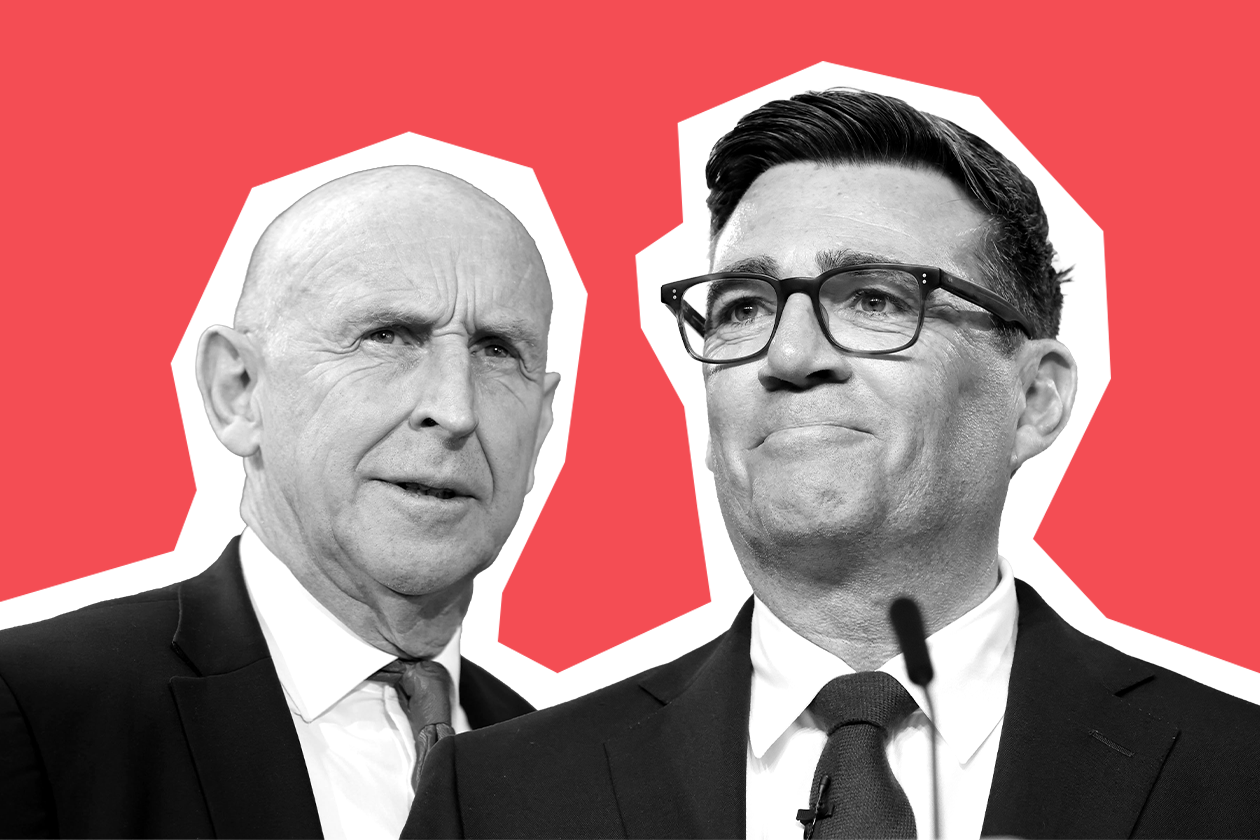
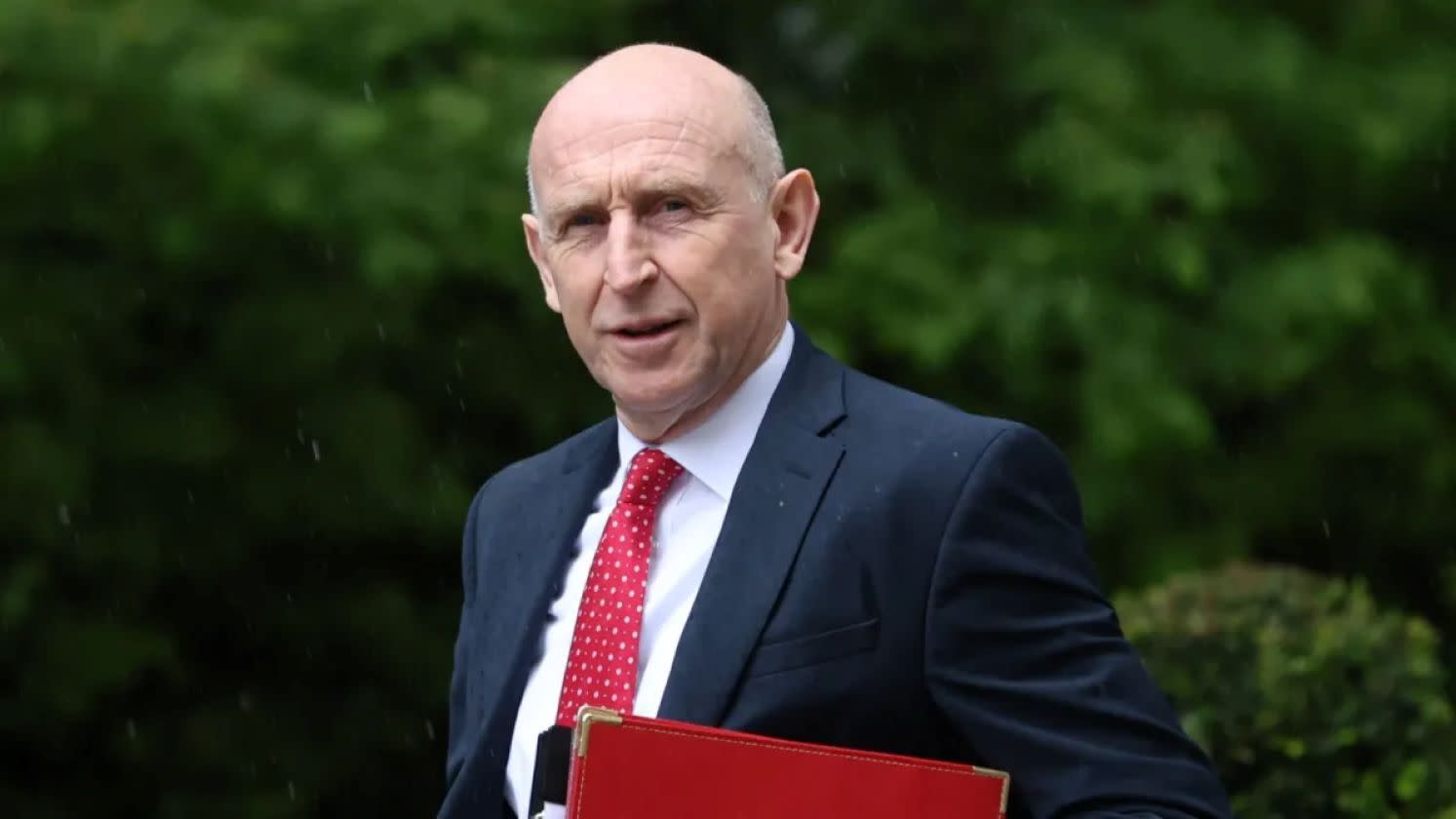
The Autumn Budget 2026 will take place on Wednesday 28 October at around 12:30pm, shortly after Prime Minister's Questions. This year’s Budget will be the first under new Prime Minister Andy Burnham and Chancellor John Healey.
The Budget is an important financial day in the calendar, but it’s also a deeply political one. Rumours and speculation are likely to be fevered in the build-up to the Budget announcement.
It’s important to treat these rumours with caution as changes to taxation will be confirmed only on Budget day. Remember that investment decisions should be made for the long term.
The uncertainty can be uncomfortable, and speculation can be tempting. But if there's one lesson for moments like these, it’s that markets have experienced periods of political and economic uncertainty before and your long-term plan rarely needs to change as quickly as the headlines do.
What is the Budget and why does it matter?
The UK Budget is when the government takes a pulse of the nation’s finances and lays out its proposals for the economy in both the short and long term.
It matters for two reasons: at a macro level, as investors we get a clear picture of the UK economy and its future direction – at a micro level, announcements on the tax that we will pay on everything from our income and our investments to our cars and our food affect us all.
With any announcements made on Budget Day, it is important to read the detail of what is announced, as some changes come into effect immediately but others are deferred, often to the following tax year, starting in April.
There are certain elements that we always know we will hear about:
The independent Office for Budget Responsibility (OBR) will explain how much they expect the UK economy to grow during the next few years, following this Budget
Expect announcements for investment in major infrastructure projects – think roads, rail, housing, and hospitals.
The duty charged on things like fuel, vehicles and alcohol is often discussed, even if to simply to confirm that they won’t be going up.
Of course, it’s the things we don’t know about that will be making the headlines.
With the Budget around the corner, make sure that you're signed up to Editor's Choice. From expert analysis of the latest announcements to investment insights, market updates and practical tips for your finances, it's the regular email you'll actually want to receive.

What Budget changes do we already know about?
Budgets are highly sensitive information, and the plans within them are treated with strict confidentiality. So far, the chancellor and the Treasury have kept their cards close to their chest.
In the weeks before the Budget, it's common to see a mix of rumours, media speculation or even deliberate leaks designed to test the reaction to potential changes. Last year, there was even a calamitous accidental leak by the OBR, 40 minutes before then-Chancellor Rachel Reeves began her speech.
Since taking office, Burnham has set out tackling the cost of living as a key priority: bus fares capped, a VAT cut to energy bills, and an acceleration in plans to make subscriptions easier to cancel have all been confirmed.
Healey faces difficult decisions. Inflation remains above target in most developed economies, and globally government debt is high, with ten-year gilt yields – the amount investors demand in a return for lending to the government – back around 5% as of late August 2026.
Some previously announced Budget changes are still coming down the track:
ISA reforms are coming, with the Cash ISA allowance to be cut to just £12,000 for savers under the age of 65. Those wanting to make full use of their annual £20,000 ISA allowance can choose to either invest it all or subscribe up to £12,000 to a Cash ISA and open a Stocks and Shares ISA to invest the rest.
Salary sacrifice contributions to pensions will have National Insurance relief removed from April 2029 after the first £2,000. Both employers and employees will pay National Insurance on any amount over £2,000.
Inheritance tax (IHT) changes from April 2027 will mean that many unused pensions and pension death benefits become part of your estate for IHT purposes.
Should you pay attention to Budget rumours?
In the run up to the last Budget, rumours that the government would reduce the amount of money that people could take tax free from their pensions prompted people to take it while they still could. In the end, the announcement didn’t happen, and it left many people with part of their pension investments sitting outside a tax-efficient wrapper.
None of us has a crystal ball, and we don’t know what’s around the corner, but it’s better to work within the system that’s currently in place when making personal finance decisions rather than trying to pre-empt what you think may happen.
What should you do before the Autumn Budget?
As always, we advocate taking a long-term approach, staying invested and taking financial advice where appropriate.
This article is for information only and not personal financial advice. Investing can help your money grow, but the value of investments can rise and fall, so you could get back less than you put in. Investing is for the long term, typically 5 years or more. Tax rules change, and benefits depend on personal circumstances.
If you’re not sure whether investing is right for you, a financial adviser can help.
Autumn Budget 2026 Frequently Asked Questions
What is usually announced in the Autumn Budget?
The Autumn Budget often includes changes to tax, government spending, major infrastructure projects and taxes on products such as fuel and alcohol.
How is tax changing in 2027/28 in the UK?
Several changes have already been announced for 2027/28, including reforms to Cash ISA allowances and inheritance tax changes affecting pensions from April 2027, although further announcements could be made in the Autumn Budget.
Should you make financial decisions before the Budget?
As a rule, it’s best not to act on Budget rumours. Focus on what’s known today and make decisions that support your long-term financial goals.