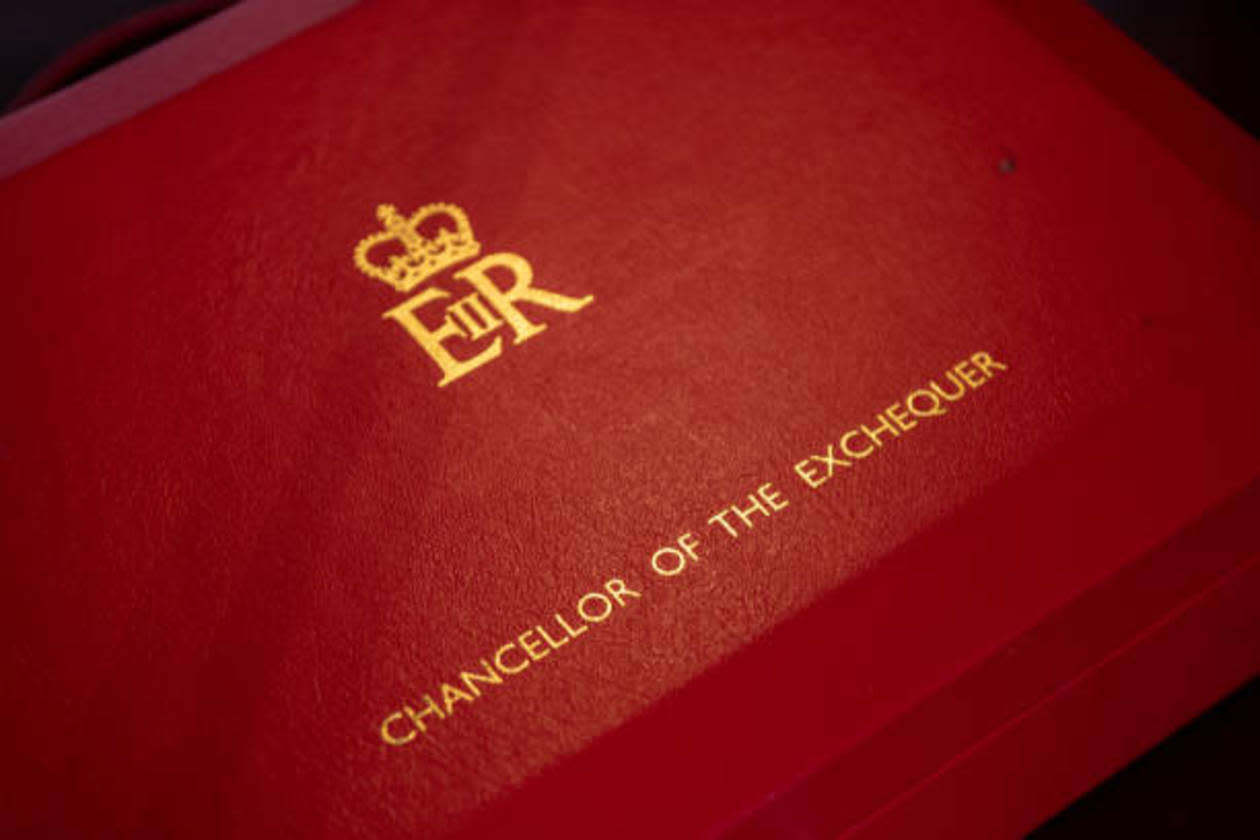


The Autumn Budget rumour mill is far quieter this year, and that's welcome news. As recent years have shown, rampant speculation can prompt major financial decisions that are not always in your best interests.
Nobody knows exactly what the Chancellor John Healey will announce on 28 October and making financial decisions solely based on what might happen is rarely a good move. However, there are key steps people can take now to help strengthen their finances regardless of what emerges from the Budget.
Many are simply good financial planning and involve making your savings and investments work harder. But there is also a practical reason to act now.
ISA reforms, higher savings tax rates and inheritance tax (IHT) changes affecting defined contribution pensions are coming next financial year – and in 2030 the triple lock could be revamped. For anyone planning to review their finances before tax year end, bringing some of those decisions forward by a few months could just be good financial sense.


Here are nine key personal finance moves worth considering ahead of the Budget, irrespective of what measures are eventually announced.
This article is for information only and not personal financial advice. ISA, pension and tax rules can change, and benefits depend on circumstances. If you’re not sure what’s right for you, a financial adviser can help.
Make the most of your ISA allowance
ISAs remain one of the most valuable tax shelters available to UK savers and investors. This tax year you can save or invest up to £20,000, with any income or capital gains free from UK tax.
Making the most of your annual ISA allowance is always worthwhile. But with major ISA reforms coming next April, including a reduced Cash ISA allowance for under-65s and restrictions on how some ISA money can be held and transferred, acting sooner gives savers and investors time to choose the right ISA for their needs.
While using a Cash ISA to hold an emergency fund or money needed for short-term expenses makes sense, money you won’t need for at least five years is more likely to work harder invested. And cash held in a Stocks and Shares ISA can be redirected into low-risk, cash-like investments, like money market funds as long as they don’t make up the whole of your portfolio.
For investors, a Stocks and Shares ISA provides valuable shelter from some of the taxes that can affect investments elsewhere. Investing can help your money grow, but the value of investments can rise and fall, so you could get back less than you put in. Investing is for the long term, typically 5 years or more.
These include:
Capital Gains Tax (CGT)
CGT is triggered when assets are sold and gains exceed the annual exemption – currently £3,000. We last saw CGT rates rise in October 2024 – in England, Wales and Northern Ireland it’s 18% for basic rate taxpayers and 24% for higher rate taxpayers, Scotland has different rates – and while there has been speculation around further hikes this Budget, remember that’s still just speculation for now.
Importantly, by investing through a Stocks and Shares ISA, you pay no CGT, both when you sell and cash out, and whenever you rebalance your portfolio as you go along.
Dividend Tax
A Stocks and Shares ISA also shelters investors from dividend tax. With the dividend allowance now just £500, investors holding assets outside an ISA can quickly find themselves facing a tax bill. Dividend tax rates rose at the start of this tax year and currently stand at 10.75% for basic-rate taxpayers, 35.75% for higher-rate taxpayers and 39.35% for additional-rate taxpayers except in Scotland where tax rates differ.
For anyone yet to use this year's ISA allowance, ensuring as much of their savings and investments as possible sits within this tax-efficient wrapper remains one of the most effective financial planning steps available.
Use a Cash ISA to reduce tax on savings
For anyone earning interest on their cash savings outside a tax wrapper, a Cash ISA remains one of the simplest ways to shelter money from tax.
From next April, tax rates on savings interest above the Personal Savings Allowance (PSA) in England, Wales and Northern Ireland will rise by two percentage points across all bands to 22% for basic-rate taxpayers, 42% for higher-rate taxpayers and 47% for additional-rate taxpayers.
Meanwhile, the PSA has remained unchanged since its introduction a decade ago at £1,000 for basic-rate taxpayers and £500 for higher-rate taxpayers. Additional-rate taxpayers receive no allowance at all. With higher bond yields driving bank and building society savings rates upwards, non-ISA savings may be susceptible to a tax charge on a smaller pot than people realise.


ISA reforms are also looming, so getting ahead and making use of this year's full Cash ISA allowance, if needed, could be a worthwhile step.
Top up your pension
Topping up your pension before the Budget can make sense if you do not need the money right now or if you were already planning to make a contribution.
Pensions remain one of the most tax-efficient ways to save for retirement and with news that the triple lock will be reformed if Labour wins the next election in 2029, paying in more now to make up for any shortfall later may make sense.
Whether you're bringing forward planned contributions or increasing them, you'll not only get tax relief at the current level but also make fuller use of your pension allowance.


Most people can contribute up to the £60,000 annual allowance a year, or 100% of their earnings if lower, with tax relief available at their highest marginal rate. This is key for higher and additional rate taxpayers who can use pension contributions to reduce their taxable income. Just remember, the annual allowance not only includes your contributions but also your employer's – and the tax relief itself.
With HL research* showing that a quarter of Britons regret not contributing more to their pension, topping up now could be a decision your future self will thank you for. Any increase should be based on your own circumstances and longer-term objectives.
Other options include increasing contributions if you have recently received a pay rise or making full use of employer matching – where an employer agrees to match whatever contributions you make. Even a modest increase can have a significant impact on your retirement savings over time.
Also, if you have unused allowance from previous years, you may want to review whether carry forward rules could allow you to use them now.
Just remember pension savings are generally inaccessible until age 55 (rising to 57 in 2028).
Make the most of salary sacrifice while you can
If your employer offers salary sacrifice, it can be a highly tax-efficient way to increase pension contributions.
Effectively, you exchange part of your salary for a benefit, like pension contributions, with the sacrifice made pre-tax, so there’s less salary to consider when it comes to calculating income tax and National Insurance.
This is not only a great way of getting more from your pension contributions while maintaining your take-home pay, but it can also reduce your income below various thresholds. Some people may want to avoid crossing the threshold into a higher income tax band or manage their exposure to the High-Income Child Benefit Charge or the £100,000 tax trap.
Remember, from April 2029 National Insurance relief will be restricted to the first £2,000 of pension contributions made through salary sacrifice. There's still time to make the most of the current rules and maximise pension saving before the changes take effect.
Use Share Exchange for existing investments
If you have investments held outside tax wrappers and still have ISA or pension allowance available, it could be worth considering moving some of those assets into a more tax-efficient home while supporting your long term or retirement goals.
This can often be done through Share Exchange, (also known as Bed & ISA or Bed & SIPP) where investments held outside a wrapper are sold and repurchased within an ISA or pension.
This can help shelter future income and capital gains from tax, making your investments work harder over the long term. Just be mindful of not breaching your annual CGT allowance when selling assets and check any associated dealing charges before going ahead amongst other things to consider.
Utilise your annual CGT exemption
For investors with larger portfolios held outside a tax wrapper, it can be worthwhile, where appropriate, to make use of their £3,000 annual exemption each year rather than allowing gains to accumulate.
By realising gains gradually, investors can reset the cost base of their investments and help reduce the eventual CGT bill when the assets are sold.
Just remember, while no one wants to make a loss when selling an asset, they don't have to go to waste. Capital losses can be offset against gains to reduce a CGT bill, and any unused losses can also be carried forward and used against future gains, provided they are reported to HMRC within four years of the end of the tax year in which the loss arose.

Tax plan as a couple
Married couples and civil partners have additional flexibility because they can take advantage of interspousal transfers to move assets between them, without triggering a tax event. They can then maximise two sets of tax-free allowances, including two annual CGT exemptions or two dividend allowances.
Where one partner pays a lower rate of income tax, this can help reduce the rate of CGT payable on gains above the annual exemption.
Similarly, for income-producing assets held outside a tax wrapper, transferring them to a lower-rate taxpayer can reduce the couple's overall tax bill by making better use of two sets of ISA and dividend allowances, with any remaining income taxed at the lower marginal rate.
Don't forget the kids either – use Junior ISAs and Junior SIPPs for family tax planning
IHT changes are just around the corner with unused defined contribution pensions set to fall within the scope of IHT from April 2027.
If IHT is a concern, using gifting allowances alongside tax wrappers can be an effective way to pass on wealth.
A Junior ISA allows up to £9,000 to be saved or invested each tax year free from UK income and capital gains tax, while a Junior SIPP allows contributions of up to £2,880, topped up by tax relief to £3,600.
Both can provide children and grandchildren a valuable financial headstart while also reducing the value of your estate over time. Just remember to read up on IHT gifting rules before taking action to avoid any unintended tax consequences.
Any money put into a junior account belongs to the child and will be theirs to withdraw (from age 18 for a JISA and 57 for Junior SIPPs – it could be higher by the time they come to retire).
When to consider financial advice before the Budget
If you're unsure which actions are right for you, financial advice can provide clarity and reassurance. An adviser can help identify the most tax-efficient opportunities available and ensure decisions fit your wider financial goals, particularly where more complex planning around pensions, IHT gifting exemptions or tax-efficient investments is involved.
With so many tax and pension changes already scheduled for the coming years, making the most of today's rules could prove valuable. The key is ensuring any decisions are driven by your long-term goals rather than short-term Budget speculation.
*Survey of 2,000 people conducted by Opinium on behalf of Hargreaves Lansdown in June 2026.