

War in the Middle East is sadly not a new concern. The rise and fall of empires – Roman, Persian, Ottoman, different religions, and valuable natural resources have all played a part in creating thousands of years of conflict. War has been fought between Israel and various Arab nations for nearly 80 years.
The aims behind the most recent escalation are not entirely clear. President Donald Trump has at different times cited regime change and nuclear disarmament as his objectives – even annihilation of the entire Irani civilisation. Trump’s language has oscillated between conciliatory and escalatory, causing markets to swing with his tone.
This foreign policy by social media has caused more than uncertainty – it has the potential for both lasting economic and asset price pain. The OECD’s March economic outlook modelled higher oil prices negatively impacting global GDP growth by 0.3% this year, and 0.5% the following year if now controlled.
Markets priced in interest rates moving upwards because of the inflation risk of the war across the US, Europe, UK and Japan – negatively impacting consumers and corporates.
This article isn’t personal advice. Remember, investments rise and fall in value, so you could get back less than you invest. If you’re not sure if an investment’s right for you, ask for financial advice.
What do we think?
Our house view has remained throughout the war that the Bank of England will hold rates while Iran war is ongoing but is unlikely to hike.
Comparisons with the Russia-Ukraine war – the impact on inflation in 2022 and associated rate hikes – are not comparing apples with apples. Interest rates were near zero when Russia invaded Ukraine, and sit above neutral rate today, providing buffer to the impact of elevated prices. And gilts, fixed-term cash, and actively managed bond funds look attractive in this environment.

Our base case also forecast the war not to be protracted – we considered Trump having little appetite for the impact on US stock markets, bond markets and opinion polls – and this week’s ceasefire has brought welcome respite, however fragile.
Emerging markets – one of our themes for 2026 – were amongst the biggest bouncers and recent poor performance is likely to continue whilst oil remains elevated and the US dollar considered a “safe haven”. But emerging markets remain attractively valued and best placed to benefit from Iran resolution and reversal in dollar trade.
What next for the Middle East and global markets?
As we have already seen since the ceasefire was initially announced, this will not be a straightforward or linear end to the conflict.
Oil prices initially fell 16% to below $100 a barrel and global markets bounced on the news. But within 24 hours oil had eked back up again.
The Strait of Hormuz has been shut for long enough to disrupt global energy supply for at least another month, and the March inflation print will be key to stoking investor confidence – or not. But this week has marked a major milestone, and while the conflict is not yet resolved, this feels like the beginning of the end.
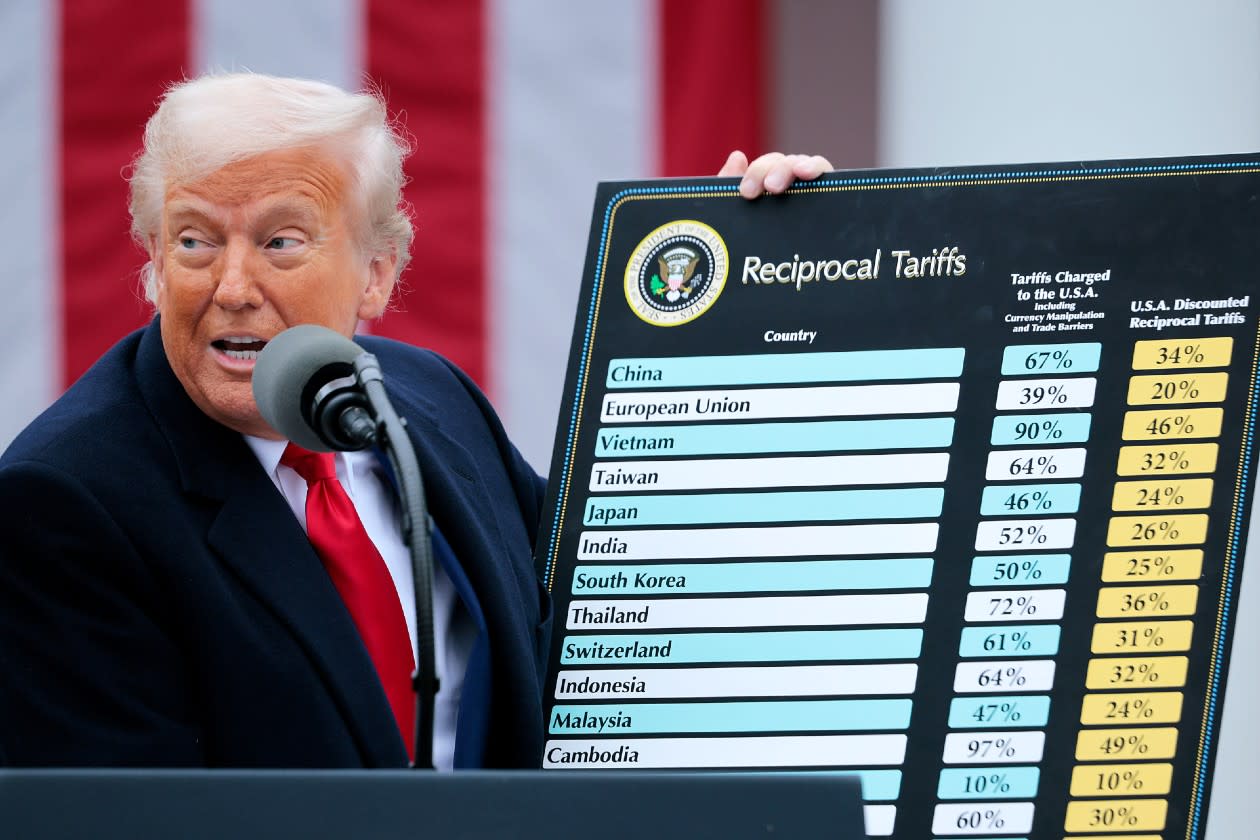

But investors should be mindful that the end to the conflict does not necessarily mean the end to stock market volatility. As we flagged to clients in our 2026 outlook, volatility is likely to remain through this year. Even if Iran is resolved, geopolitical risks remain high and both US domestic and foreign policy adds uncertainty. Valuations, artificial intelligence (AI) disruption and tariffs have pressured markets over past 12 months, and these risks also remain. And – significantly – Donald Trump remains President of the United States.
US political risk, tariffs, and market volatility
Trump is not a predictable leader, nor is he confined by court orders, pushing the boundaries of what has previously been accepted as presidential power.
The November midterm elections are expected to go against his Republican Party, but it’s worth noting that many of the policies that have caused market – and indeed global – disruption have not required Congressional approval. Leadership without challenge is rarely good news on the world stage and a loss of perceived power may focus Trump’s efforts more on measures he can independently enact – tariffs, foreign policy and national security.
What should investors do in market uncertainty?
Markets would far prefer the hope of peace, predictability and certainty. But this is not likely for the near term.
So how to navigate this continued uncertainty as an investor? We return to the boring-but-brilliant principles of diversification and inertia.
The last six weeks have of course been damaging for more than just markets. But for those lucky enough to have only been impacted through their portfolios, scan out to the longer-term and returns over the past 12 months has been positive for most major stock and bond markets. The three and five-year view are similarly in the green. Past performance is of course no guarantee of future returns. It does however serve as a reminder on the importance of focusing on the long term.