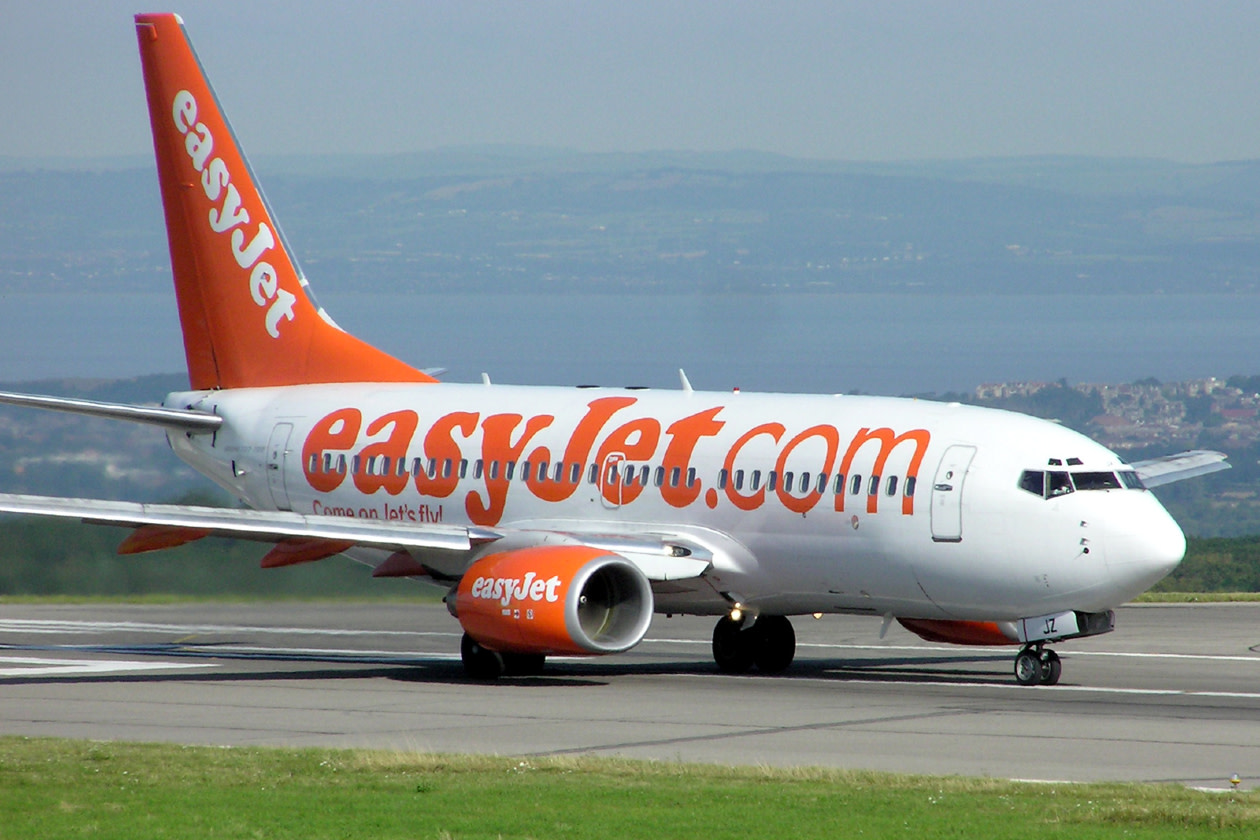


easyJet confirmed that it has received a fourth proposed bid of 650p per share from Castlelake, 4% higher than the previous proposal of 625p, and a 21% premium to the closing share price on Wednesday 24 June.
The board believes that the terms substantially undervalue the company and has rejected the proposal.
Castlelake has requested access to limited commercial information which could potentially result in a more attractive proposal.
The Board has therefore requested an extension to the statutory deadline by when a formal bid must be made, and this has now been deferred to the 5 July.
The shares rose 5.3% in early trading.
Our view
easyJet’s valuation has come under pressure this year in the wake of the US-Iran conflict, attracting the attention of private investment firm Castlelake. So far, its takeover proposals have been rebuffed by the airline’s management team on the grounds that they undervalue the business and its prospects. However, easyJet has now agreed to give access to limited commercial information, a move that could pave the way for a more acceptable offer. The formal bid deadline has been extended to 5 July.
Back to everyday business, easyJet’s been doing most things right of late. The no-frills airline is upgrading its fleet to newer, more efficient planes, stimulating demand, and setting up new strategic hubs in popular locations like Milan and Rome. On average, more of its available seats have been getting filled too.
Selling extras to existing passengers is also a key part of the game plan. So-called ancillary revenues are things like extra baggage, legroom and food. This is a highly lucrative area, and recent growth has been impressive.
The package holiday arm continues to deliver strong growth. Revenue has been growing at high double-digit rates and pre-tax profits have hit targets ahead of schedule, accounting for more than a third of the group’s total last year. Given that the addressable market for package holidays is huge, there’s a big growth opportunity ahead for this segment if it can keep nailing delivery.
Then there’s the big issue – fuel. easyJet operates with single-digit margins and historically spends around 25% of its revenue on fuel. That makes it one of the more sensitive European airlines to fuel price fluctuations, and elevated fuel prices are taking a big toll on both costs and demand. That’s led easyJet to reduce some flight frequencies and raise minimum ticket prices, so the near-term profit outlook remains challenging.
This comes at an inconvenient time. easyJet is in the middle of upgrading its fleet – an expensive endeavour. Granted, the balance sheet is currently one of the strongest in the sector. But with free cash flows now forecast to turn negative for the next few years, debts look set to stack up. While this is manageable, it means dividends and share buybacks will likely take a hit.
While easyJet’s been operating well across multiple fronts, the benefits to the bottom line are being overshadowed by higher fuel prices and a more unfavourable macroeconomic backdrop. Profitability is under pressure, and we think other names in the sector look better positioned to weather the storm. However, in the near term, bid activity is likely to be the main driver of sentiment.
Environmental, social and governance (ESG) risk
The transport industry is medium risk in terms of ESG, with European firms managing them better than others. Carbon emissions, product governance, and quality & safety are the biggest risk drivers. Other key areas are emissions, effluents & waste, labour relations, and employee health & safety.
According to Sustainalytics, easyJet’s management of ESG risk is strong.
Its policy addressing environmental issues is very strong and executive remuneration is explicitly linked to sustainability performance targets. An adequate whistleblower policy is also in place. However, easyJet’s overall ESG reporting falls short of best practice.
easyJet key facts
All ratios are sourced from LSEG Datastream, based on previous day’s closing values. Please remember yields are variable and not a reliable indicator of future income. Keep in mind key figures shouldn’t be looked at on their own – it’s important to understand the big picture.
This article is original Hargreaves Lansdown content, published by Hargreaves Lansdown. It was correct as at the date of publication, and our views may have changed since then. Unless otherwise stated estimates, including prospective yields, are a consensus of analyst forecasts provided by LSEG. These estimates are not a reliable indicator of future performance. Yields are variable and not guaranteed. Investments rise and fall in value so investors could make a loss.
This article is not advice or a recommendation to buy, sell or hold any investment. No view is given on the present or future value or price of any investment, and investors should form their own view on any proposed investment.