

Third-quarter revenue rose 161% to $14.6bn ($12.7bn expected). Super Intelligence (formerly AI) was the standout unit, with revenue rising more than ninefold, driven by new cloud services deals and the Cursor acquisition. Connectivity (Starlink) revenue grew 69%.
Operating profit came in at $2.8bn ($2.1bn expected), up from a loss of $273mn last year, as the Super Intelligence unit turned profitable.
Free cash outflow was $10.0bn ($8.0bn outflow expected), as capital expenditure rose to $19.6bn, with the bulk directed toward the Super Intelligence business. Net cash, including lease liabilities, was $51.0bn at the end of the quarter.
SpaceX expects to end 2026 with $100bn of annualised revenue, based on December's sales. Fourth-quarter capital expenditure should rise to $35-40bn, while gross margins are expected to dip. First-quarter 2027 revenue is guided at $33-37bn.
The shares rose 8.1% in after-hours trading.
Our view
Third-quarter revenue, profits and margins all came in comfortably ahead of forecasts. But the bigger story is how quickly the business is changing shape. SpaceX is fast becoming an AI infrastructure business that rents out compute, with a space business attached.
Super Intelligence (formerly AI) now makes up more than half of group sales. SpaceX expects to end the year with around 3 Gigawatts (GW) of data centre capacity, and to add another 10 GW in 2027, with rental rates continuing to rise.
The strategy of renting out compute on short-term contracts is proving very attractive, and market forecasts for 2027 revenue look set to move materially higher. Elon Musk dangled some major carrots when it comes to revenue potential. But even our more conservative numbers suggest revenue estimates need to at least double.
The main challenge is the buildout itself. Yes, it requires huge investment (1 GW = around $30-50bn of capex), but money isn’t the only issue. SpaceX is probably the best in the world at building out at scale, but the physical challenge of sourcing land, power and chips to stand up 10 GW in a year is a massive ask.
On the finance side, fourth-quarter capex is expected to reach $35-40bn. On our numbers, SpaceX needs to raise more cash in the next six months, though on an optimistic view it could be self-funding by 2028.
Starlink is still a key business. SpaceX designs, builds and launches its own satellites while rivals need to buy launch capacity, creating a flywheel where launch scale supports Starlink and its profits help fund other ventures. Consumer subscriber growth was a little lighter than hoped, but higher prices and growth in other segments are picking up the slack, and new V3 satellites should add significant capacity over the next year.
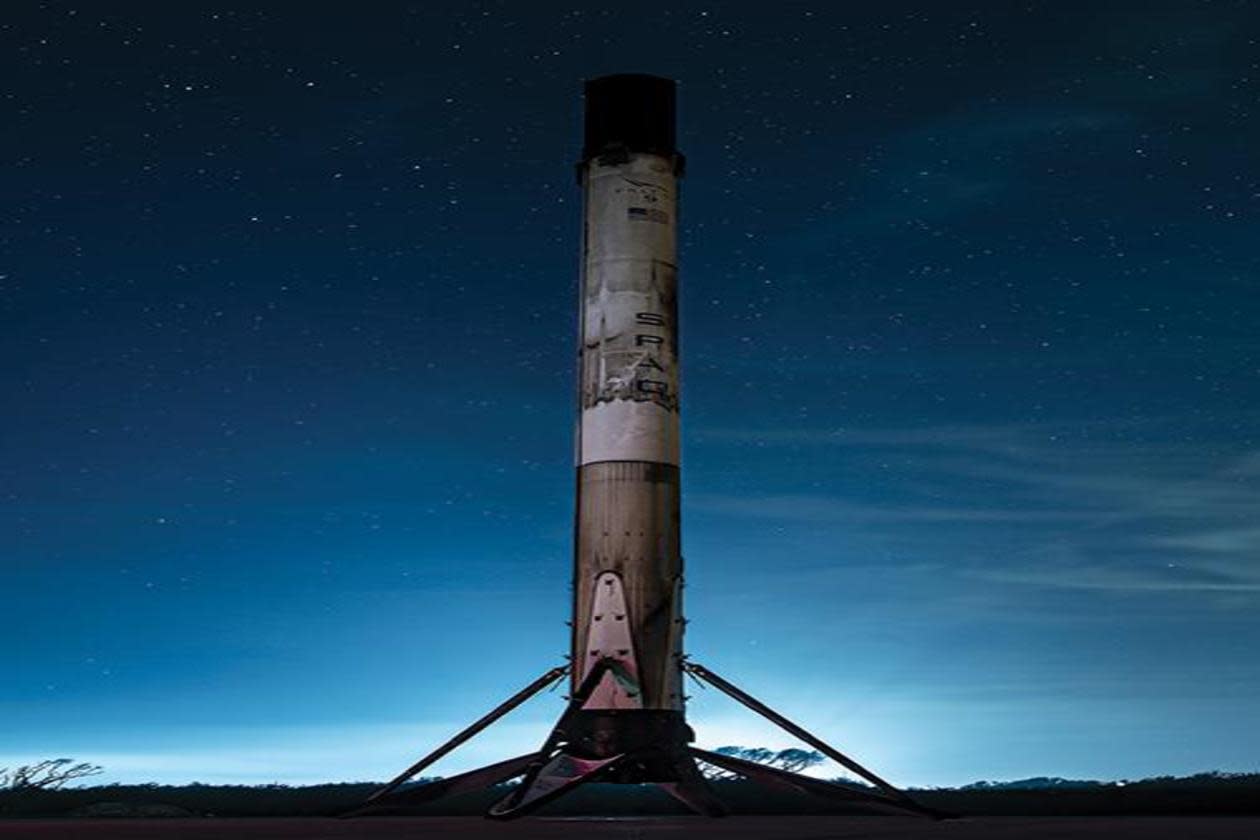
The longer-term opportunity leans heavily on Starship. SpaceX dominates the reusable-rocket space, but the scale of Starship dwarfs all others. A rapidly reusable rocket system at that scale could lower launch costs again, accelerate Starlink deployment and open the door to orbital compute. SpaceX plans to catch both stages on Flight 15 next month, which would be a major step towards full reusability, while setbacks could delay several parts of the wider strategy.
All in, SpaceX faces an incredibly wide range of possible outcomes, with huge opportunity but plenty of risk. We expect the AI business to keep thriving in the short term while compute stays scarce, but it's hard to underwrite longer-term numbers when so much is shifting. With execution, funding and technical risks all in play, we remain cautiously optimistic, and volatility is likely to continue.
Environmental, social and governance (ESG) risk
The aerospace and defence sector is high-risk in terms of ESG. Carbon emissions from products and services and product governance are key risk drivers. Data privacy, business ethics, security, and labour relations are also contributors to ESG risk.
According to Sustainalytics, SpaceX’s management of material ESG issues is weak.
Governance is probably SpaceX's biggest risk factor, given its dual-class share structure that gives Elon Musk around 85% of all voting rights, limiting other shareholders' ability to effect change.
Environmental risks are elevated by its launch and satellite businesses, with limited public disclosure on environmental management, emissions-reduction targets, or a broader sustainability strategy. Activities relating to its AI language models and X (formerly Twitter) add data privacy, cybersecurity and content moderation risks.
SpaceX key facts
All ratios are sourced from LSEG Datastream, based on previous day’s closing values. Please remember yields are variable and not a reliable indicator of future income. Keep in mind key figures shouldn’t be looked at on their own – it’s important to understand the big picture.
This article is original Hargreaves Lansdown content, published by Hargreaves Lansdown. It was correct as at the date of publication, and our views may have changed since then. Unless otherwise stated estimates, including prospective yields, are a consensus of analyst forecasts provided by LSEG. These estimates are not a reliable indicator of future performance. Yields are variable and not guaranteed. Investments rise and fall in value so investors could make a loss.
This article is not advice or a recommendation to buy, sell or hold any investment. No view is given on the present or future value or price of any investment, and investors should form their own view on any proposed investment.