

Associated British Foods’ total sales fell by 1% over the 16 weeks to 3 January 2026, ignoring exchange rate impacts. This comes as 1% sales growth in both the Retail (Primark) and Grocery businesses was more than offset by low single-digit declines in all other Food businesses.
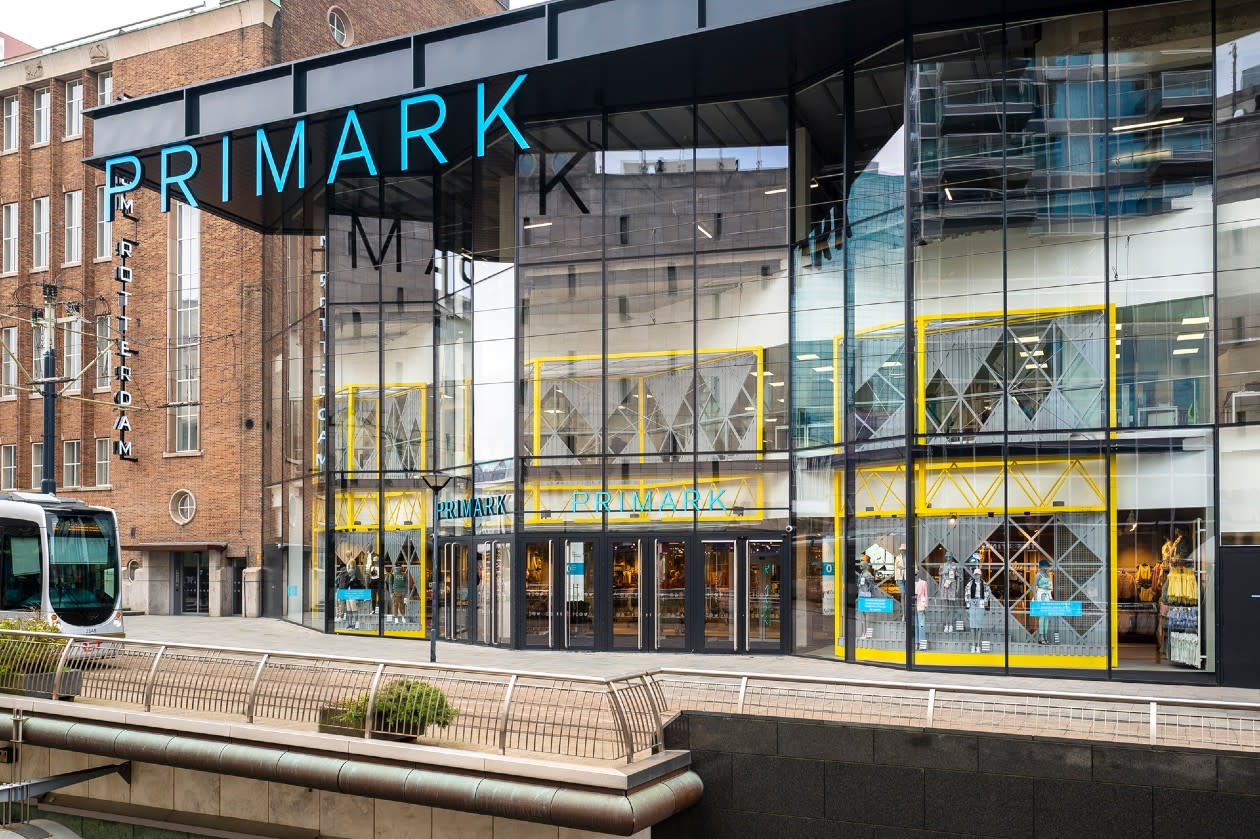
At Primark, like-for-like sales fell by 2.7% as sales growth and market share gains in the UK were more than offset by weakness in continental Europe.
Full-year guidance has been downgraded. The group had previously expected underlying operating profit to grow from last year’s £1.7bn, but now expects it to fall below that level.
The shares fell 11.4% in early trading.
Our view
Associated British Foods (ABF) has started 2026 on the back foot. Primark sales across the US and continental Europe haven’t lived up to expectations, weighed down by weak consumer sentiment and footfall. Its food businesses are also continuing to struggle in the current climate, causing ABF to downgrade its full-year profit guidance less than four months into its financial year.
In the UK, Primark’s sales are holding up better, thanks to recent investments and a focus on affordable fashion, which have helped it expand its market share. However, its mature store estate means growth opportunities are limited.
Overseas expansion is a big part of the game plan, with new stores to contribute around 4-5% in annual sales growth for the foreseeable future. But the outlook abroad has started to deteriorate, with European customers becoming more cautious with their spending.
In a bid to improve overseas performance, management’s pressing ahead with new initiatives abroad that have brought prior success in the UK. We’re cautiously optimistic that things will turn around here, but there’s room for things to get worse before they get better in our view. Despite a growing footprint across the pond, the US remains a small slice of total revenue at around 9%. With half of these sales being produced in the US, ABF’s exposure to tariffs is limited.
Primark's not the only show in town though - ABF is home to an eclectic mix of food and commodity businesses. While that helps to spread risk so that the company isn't overly reliant on any one division, it also means that good performance in some businesses is often masked by the others.
Given the cyclical nature of its food businesses, a spin-off of Primark is being considered. No decision has been made yet, but we support the potential move as a way to sharpen management’s focus and unlock shareholder value.
Despite a rise in net debt levels, the balance sheet was in decent shape last we heard, and should help the group weather the storm. This also means there's room to return excess cash to shareholders through share buybacks, though nothing is guaranteed.
All in, ABF is a collection of good businesses. Primark remains the jewel in the crown, with its low price point offering both defensive qualities and long-term growth opportunities. While it’s not guaranteed, we see Primark’s spin-off as more likely than not, and would expect it to deliver upside for potential shareholders. In the meantime, soft overseas markets are weighing on profitability, and that’s likely to persist in the near term.
Environmental, social and governance (ESG) risk
The retail industry is low/medium in terms of ESG risk but varies by subsector. Online retailers are the most exposed, as are companies based in the Asia-Pacific region. The growing demand for transparency and accountability means human rights and environmental risks within supply chains have become a key risk driver. The quality and safety of products as well as their impact on society and the environment are also important considerations.
According to Sustainalytics, Associated British Foods’ management of ESG risk is strong.
ABF has a comprehensive environmental policy and global supplier code of conduct. Although priorities appear to be set at a group level, each business division has its own approach, resulting in certain businesses reporting more comprehensive sustainability efforts than others.
Associated British Foods key facts
All ratios are sourced from LSEG Datastream, based on previous day’s closing values. Please remember yields are variable and not a reliable indicator of future income. Keep in mind key figures shouldn’t be looked at on their own – it’s important to understand the big picture.
This article is original Hargreaves Lansdown content, published by Hargreaves Lansdown. It was correct as at the date of publication, and our views may have changed since then. Unless otherwise stated estimates, including prospective yields, are a consensus of analyst forecasts provided by LSEG. These estimates are not a reliable indicator of future performance. Yields are variable and not guaranteed. Investments rise and fall in value so investors could make a loss.
This article is not advice or a recommendation to buy, sell or hold any investment. No view is given on the present or future value or price of any investment, and investors should form their own view on any proposed investment.