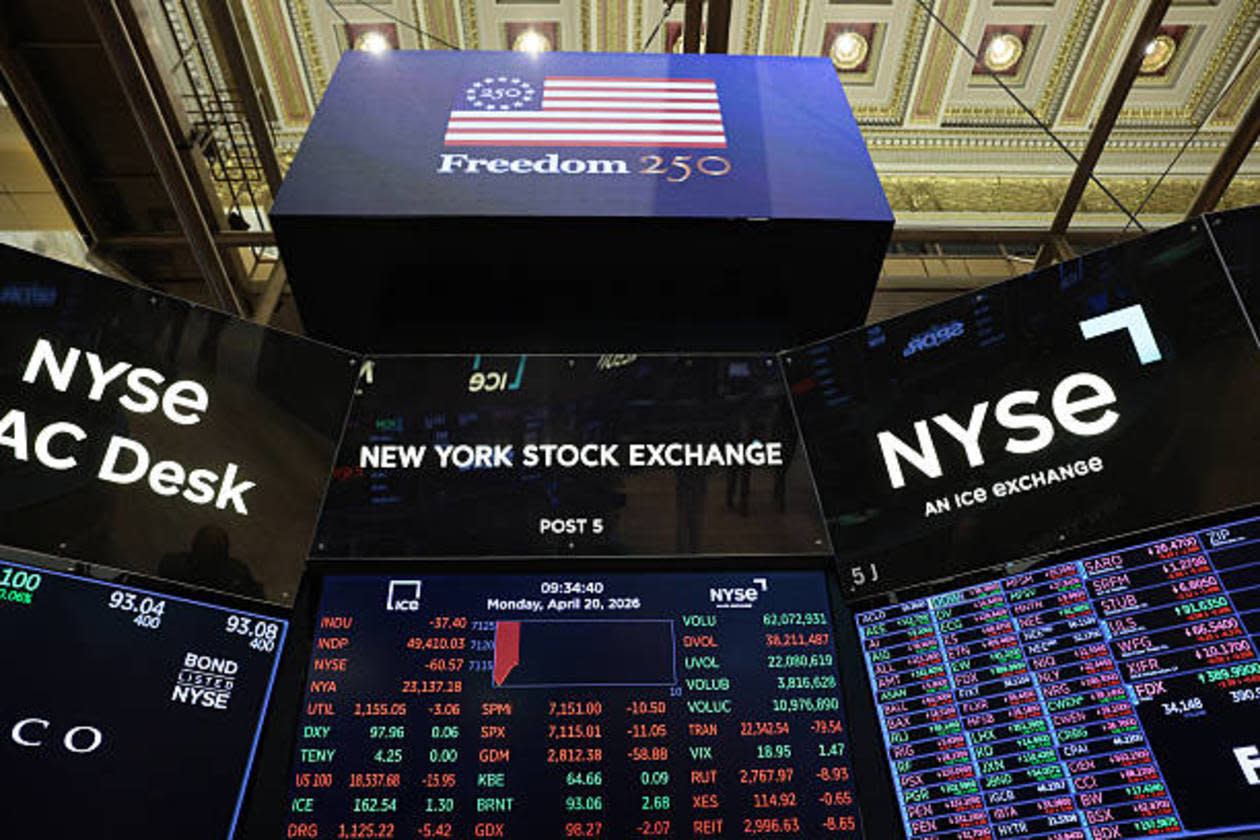


What started as a sell-off in tech has turned into a broader retreat from risk. The NASDAQ 100 briefly slipped into a technical bear market on Wednesday, and the wider market followed tech lower, with the S&P 500 now 8% lower than the highs seen just a few months ago.
That's the hallmark of a market climbing a wall of worry. The question is which of those worries matter for the fundamentals.
The worries making headlines
The midterms handed Democrats control of Congress and talk of pausing data centre builds in key states has raised doubts about artificial intelligence (AI) capacity from 2028. Nvidia's leadership drama then hit the company at the centre of the whole AI ecosystem. That fed straight into fears about how the buildout is funded.
Add in a market where earnings growth has been heavily influenced by AI related themes, and it's easy to see why sentiment has soured.
The one that really matters
The worry that gets the least airtime but might have the biggest impact on the fundamentals is interest rates. The energy shock from the Middle East conflict pushed up inflation on both sides of the Atlantic, and it has dug in too deep to reverse quickly. US Federal Reserve research shows oil prices now pass through to core inflation far more than they did before the pandemic.
The impact on interest rates is clear to see.
In the US, core Personal Consumption Expenditure (PCE) came in at 3.3% this week, ahead of forecasts. The Fed raised rates in September for the first time in over three years. Markets now see another hike on 9 December as close to certain, with more priced in for 2027.
The UK looks to be on the same path. Inflation rose to 3.6% in October, a one-year high. The Bank of England also raised rates to 4% earlier this month, its first hike in over three years, and rates are now expected to climb to a peak of around 4.75%.
That's what makes this risk different. Higher rates do not just hurt sentiment – they change the maths. Borrowing costs more, so funding the AI buildout gets harder, and with the US 10-year Treasury yield near 4.9%, future earnings are worth less today. Cash becomes a more attractive safety net.
Put simply, every other worry on the list gets heavier when money costs more.
When will the pain end?
In the near term, headline risk is likely to stay in the driving seat.
We're now outside of core earnings season, so there's less company news to anchor sentiment. And as we approach the end of the year, trading volumes tend to decline as investors clock off for the holiday season. Thinner markets can exaggerate moves in either direction, which all adds to the potential for ongoing volatility.
The good news is what lies ahead in 2027. Earnings season returns in January and February, giving the market something more concrete to focus on.
If rate expectations prove even remotely accurate, which is never a guarantee, rates should start to become less of a headwind. And after the recent sell-off, valuations appear to be in a much more attractive position, so strong earnings could once again act as a catalyst.
Diversification offers balance
Headlines create worry, but diversification offers the offsetting balance. Not every market is exposed to the same risks in the same way.
The UK is a good example.
UK markets are, in theory at least, less exposed to the AI buildout than the US, and the FTSE 100 has just overtaken both the S&P 500 and the NASDAQ 100 on year-to-date performance. It's only a small proof point, and there’s no guarantee it continues, but it shows how spreading investments across different markets can help when one area falls out of favour.
This article is for information only and not personal financial advice. Investing can help your money grow, but the value of investments can rise and fall, so you could get back less than you put in. Investing is for the long term, typically 5 years or more. Past performance isn’t a guide to future returns.
If you’re not sure whether investing is right for you, a financial adviser can help.