

Shell’s first-quarter revenue rose 1% to $69.7bn. The biggest falls were in Integrated Gas, and Chemicals and Products with the biggest rise coming from Marketing.
Underlying net profit increased 24% to $6.9bn ($6.1bn expected). Its trading and optimisation activities contributed strongly, but improved refining margins, cost discipline and higher prices all played their part.
Free cash flow fell by $2.4bn to $2.9bn, with more cash tied up in operations. Over the same period, net debt increased from $41.5bn to $52.6bn.
In the second quarter, integrated gas production is expected to fall around 33% compared to the prior quarter, reflecting disruption in the Middle East. Annual capital expenditure guidance was increased by $4bn to $24-$26bn.
Shell announced a buyback of $3bn, down $0.5bn from the previous quarter. The quarterly dividend was raised 5% to $0.3906 per share.
The shares fell 2.1% in early trading.
Our view
Shell had a bumper first quarter. But a spike in debt levels and a decision to slow buybacks slightly left markets a little disappointed on the day. We’ve also had clarification of the impact of Iranian missile strikes on gas production, making the recently announced $16.4bn acquisition of ARC resources particularly timely. Should the deal go through, it will provide an uplift to production with the potential to support Liquefied Natural Gas (LNG) volumes, in the wake of damage to production facilities in Qatar.
Shell’s market leadership in LNG is one point of differentiation against the peer group. The company’s ability to trade its own output as well as third-party supplies leave it well placed to prosper in volatile times. But Qatar’s attractive production costs are difficult to match, and there are some longer-term concerns around the viability of LNG.
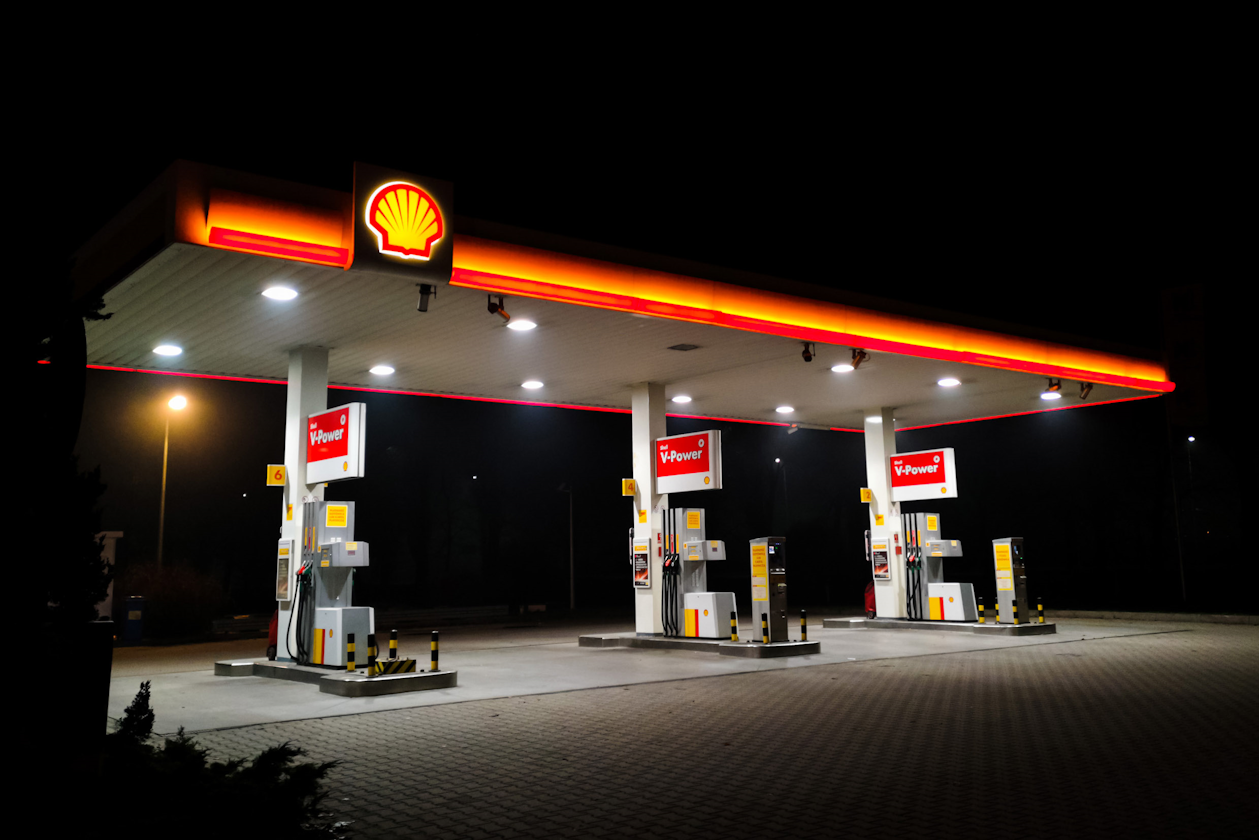
In distribution, Shell is particularly well placed to provide lower-carbon options to motorists. Its global network of 47,000 service stations is the largest of all the oil majors. Its EV charging footprint has been growing rapidly, but the focus is shifting from scale to profitability.
Shell invests over $20bn each year across its business, and that’s set to stabilise at between $20-22bn out to 2028. The ARC deal adds another $4bn to this year’s bill, but there’s been no change to underlying investment budgets. New projects are expected to deliver over 1 million extra barrels of production per day by 2030. But as with all natural resource developments, there’s the potential for things to go wrong.
Shell’s well known for its financial discipline, and with the balance sheet a little more stretched than it has been and a big acquisition on the table, we’re not too surprised to see buybacks come down a little. The recent slip in cash generation is likely to be temporary, and the 3.7% dividend yield doesn’t appear to be under threat. However, no distributions can be guaranteed, and management may become more cautious on payouts until the integration of ARC is complete.
Shell’s fortunes remain linked to movements in commodity prices. We think it’s relatively well placed to cope with volatility. The Iran War has driven up oil prices, and with it, Shell’s valuation, which we think is reflective ofmarket expectations.
Further out estimates don’t look too aggressive, leaving some room on the table for upside if Shell executes well and commodity prices remain favourable. However, today’s geopolitics are highly unpredictable, and investors should be prepared to tolerate relatively high levels of risk.
Environmental, social and governance (ESG) risk
Environmental concerns are the primary driver of ESG risk for oil and gas producers, with carbon emissions and waste disposal being the main issues. Health and safety, community relations and ethical governance are also contributors to ESG risk.
According to Sustainalytics, Shell's management of material ESG issues is strong.
This reflects a change in its business mix over recent years towards lower carbon fuels such as gas and LNG, and the exit from some of its more controversial assets. Despite Shell's numerous environmental and social targets, the company's impact on the environment and society remains relatively high. The decision to hold oil production steady till the end of the decade is likely to be met with some disappointment.
Controversies relating to environmental degradation, bribery and corruption, and community relations continue to play an important role in how Shell is perceived globally, as well as its financial disclosures around its renewables business.
Shell key facts
All ratios are sourced from LSEG Datastream, based on previous day’s closing values. Please remember yields are variable and not a reliable indicator of future income. Keep in mind key figures shouldn’t be looked at on their own – it’s important to understand the big picture.
This article is original Hargreaves Lansdown content, published by Hargreaves Lansdown. It was correct as at the date of publication, and our views may have changed since then. Unless otherwise stated estimates, including prospective yields, are a consensus of analyst forecasts provided by LSEG. These estimates are not a reliable indicator of future performance. Yields are variable and not guaranteed. Investments rise and fall in value so investors could make a loss.
This article is not advice or a recommendation to buy, sell or hold any investment. No view is given on the present or future value or price of any investment, and investors should form their own view on any proposed investment.