


With the upcoming maturity of a popular low coupon gilt on 22 October 2026, many investors will be considering what to do with their lump sum maturity payments.
We’ll look at what’s been happening in the gilt market, whether the upcoming Autumn Budget could change things and consider what investors should be thinking about.
Investing is for the long term (typically five years) and can help your money grow, but the value of investments and income from them can rise and fall, so you could get back less than you put in. If you’re not sure what’s right for you, a financial adviser can help.


What’s happening with gilt yields?
2026 has seen gilt yields rise, particularly since the onset of the conflict between the US and Iran. Prices move in the opposite direction to yields, so these rises mean that investors buying them today will receive higher nominal returns than they would have at the start of the year.
Although 12-month inflation to July was 2.9%, lower than the equivalent figure from December 2025 of 3.4%, it’s expected that this will increase in the coming months. This means that higher returns from gilts today are potentially offset by higher levels of inflation.
In terms of interest rates, these remain unchanged since December 2025, and economist expectations have been for this to continue into 2027. But the recent spike in oil prices means that the Bank of England might be more inclined to raise rates than they were.
If interest rates and inflation increase a little, the relative attractiveness of yields available on shorter-dated gilts today are perhaps similar to the start of the year. But higher yields on longer-dated gilts might be more attractive, particularly if rates and inflation come back down in future.
Want to check your knowledge of gilts? Read our article on what you need to know about buying government bonds (gilts).
The Budget
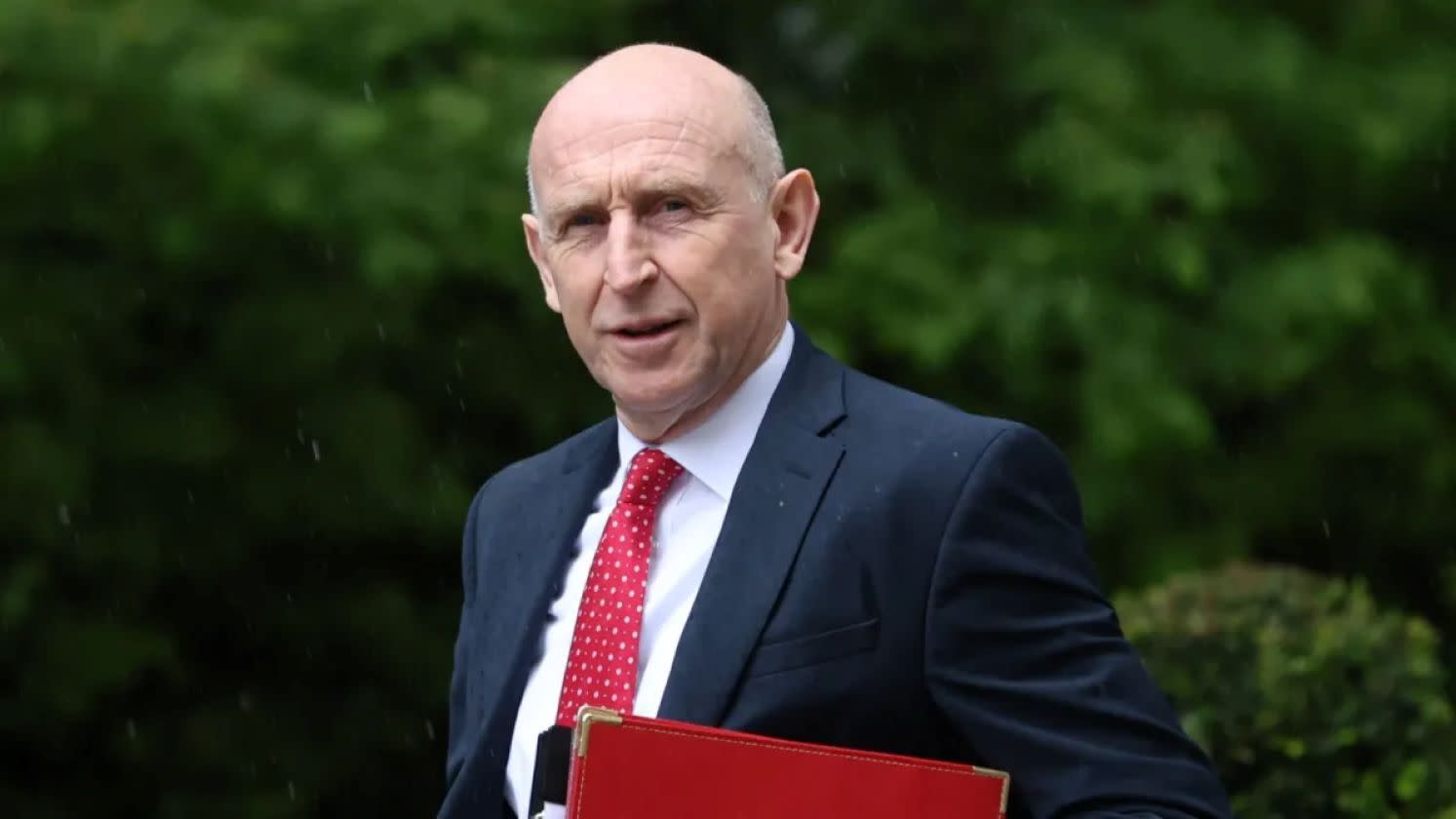
Chancellor John Healey faces a tough budget as the cost of government debt rises both here and around the world. The biggest cause has been rising oil prices and in turn, increased inflation expectations.
At the same time, bond investors have been worrying about the level of debt in many advanced economies. This adds pressure to the chancellor to ensure that any increase in spending is at least matched by increases in tax.
Another impact of the rise in borrowing costs is that any previous headroom (the gap between tax revenues and spending), has dropped.
When you add in that the 2024 manifesto ruled out tax increases on the big three (Income tax, employee National Insurance and VAT), Chancellor John Healey has limited space for manoeuvre in terms of tax revenue raising possibilities or politically difficult spending cuts.

What does this mean for gilt yields?
It’s hard to predict what impact the Autumn Budget will have on yields.
If spending increases are not suitably funded, then yields are likely to increase because of higher concerns about future debt affordability. But if tax rises comfortably cover any additional spending, then yields could fall.
Investors will also be concerned about any policies deemed to be damaging to future economic growth. And yields need to remain competitive with those available on other government bonds around the world.
Bringing all of this together, it’s likely that gilt yields will be more volatile than usual in the coming weeks and potentially months.
What does this mean for investors interested in gilts?
Volatility could present opportunities to buy into gilts at higher yields than will be available after the Budget. It’s a risky approach, though, because it’s possible that yields will continue to rise and that prices could fall in future.
Against this backdrop, investors should take a step back and focus on their long-term plan. Locking in annualised returns of 5% or more by investing directly into gilts is likely to be attractive for many investors.
This might be particularly true for investors focused on low-coupon gilts (those with smaller interest payments), where most of the return comes from a capital gain. This is because capital gains tax doesn’t apply to gilts when invested in directly for retail investors.
Although everyone wants to maximise their returns, the difference between a yield of say 5.6% or 5.3% on a gilt with five years to maturity is a nice to have but might not be essential in the wider context of why an investor is buying gilts. Yields are variable, though, and past performance isn’t a guide to the future.
Investors with a lump sum maturity payment due when the next gilt matures on 22 October should consider whether to wait for the gilt to mature or to sell early and reinvest the proceeds elsewhere.
Remember that any reinvestment doesn’t have to be another gilt. You may decide to put the money into shares, a dividend paying fund, an annuity, a savings account or take the cash to supplement income needs. For many, though, reinvestment into another low coupon gilt may have always been the plan.
If that’s the case, then some investors might prefer to do this in steps, perhaps by selling down their holding in the gilt in stages and reinvesting it over a period of weeks. This reduces the risk of missing out if yields increase in the short term but also takes advantage of the yields available today should they fall in the coming weeks.
For any investors taking this approach, it’s important to remember that the price today is lower than the maturity value of the gilt.
By selling early, investors are missing out on any remaining capital gains. At the time of writing, the gilt is priced at £99.65, but its maturity value is £100. Investors selling today are missing out on 35p of capital gain for every gilt sold, and both a buy and sell instruction will be subject to HL dealing charges. There aren’t any transaction charges for receiving the lump sum maturity payment from a gilt.
This article is for information only and not personal financial advice.