How Pension Drawdown Works
Income, tax, rules and how to apply for drawdown

Important information - What you do with your pension is an important decision that you might not be able to change. Check that you're making the right decision for you and that you understand all your options and their risks. The government's free and impartial Pension Wise service can help you and we also offer personal advice. You can compare pathways from other providers using the Money Helper tool. The information on our website isn't personal advice.

Moving your pension into drawdown
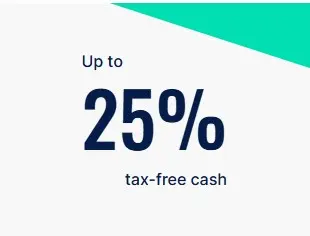
You can move your pension into drawdown in one go, or move a bit in at a time. Up to 25% can normally be paid to you as tax-free cash, upfront, while the rest stays invested. You decide how much income to take (which is taxable), and when to take it.
You can apply for drawdown with your current pension provider (if they offer it), or transfer your pension to a drawdown provider like HL.
When deciding on the best drawdown provider for your needs, it’s important to check the quality of service, product features, fees, and value for money you’ll receive. You should also contact your existing provider to check you won’t lose any valuable benefits or need to pay high exit fees first.
Taking your tax-free cash
You can usually have up to 25% of your pension paid to you tax-free.
If you move your entire pension into drawdown, you’ll receive all your tax-free cash in one lump sum payment.
If you choose to move your pension into drawdown in stages, then you’ll receive your tax-free cash in stages too (up to 25% of the portion you move each time).
Remember pension and tax rules can change, and the value of benefits will depend on your circumstances.
Choosing your income in drawdown
You’re in control of how much income you take and when. You might decide you don’t need an income straight away, or even at all. You might just want to take your tax-free cash.
If you do want an income, you can choose to take regular withdrawals or just dip into the pot as and when you need to - it’s up to you.
Like all other pension income, it will be taxable and added to any other income you receive that same tax year. Be particularly aware of this if you’re planning on large withdrawals, as it could push you into a higher income tax bracket by mistake.
Pension drawdown calculator
Drawdown income isn't secure, so you need to think carefully about how much you take. If you withdraw too much too soon, you might fall short in later years.
Our pension drawdown calculator could help you understand how long your drawdown plan might last.
Is drawdown right for me?
Drawdown offers one of the most flexible ways to access your pension. But compared with some other ways of taking retirement benefits, there are more risks involved.
These risks mean drawdown won’t be right for everyone, and you'll need to regularly review where you're invested and how much income you're taking.
You should make sure you understand all the risks and benefits of drawdown before you decide whether drawdown is right for you.
More on the risks and benefits
Picking your drawdown investments
For lots of people, one of the biggest attractions of drawdown is the potential for income to continue growing. But there’s no guarantee as investments carry risk and you could get back less than you invest. Most investments also carry charges which could impact your pension value and income. It’s likely that your goals and plans for taking income will heavily influence how you decide to invest and what investments you choose.
With the HL Drawdown Self-Invested Personal Pension, you can:
Get personal advice and pay an adviser to choose investments for you
Consider basic drawdown investment pathways which link to specific income goals
Choose individual investments from our full range of
If you’re looking for investment inspiration our drawdown investment ideas could help.

Holding cash
Keeping some planned income in cash might give you peace of mind, and means you can avoid selling your investments during a stock market downturn to generate cash for withdrawals. But cash can lose value over time in real terms, especially if interest rates are lower than inflation. Holding large amounts of cash for long periods is unlikely to be a good long-term investment.
Apply for drawdown with HL
Drawdown is available through our Self-Invested Personal Pension (SIPP). You can view our charges here.
How to apply
You should understand the risks and benefits of drawdown before you start, and find out how long your pension could last with our drawdown calculator.
When you're ready, you can choose how you want to apply.
Already in drawdown and looking for a better service?
Before transferring please check you won't lose valuable guarantees or need to pay high exit fees. If you choose to transfer your investments as they are, you won't be able to make any changes whilst the transfer goes through. If you transfer as cash you'll miss any market rises, but you won't be affected by any market falls either.

New to pension drawdown?
Take a look at our guide to drawdown to find out more about the risks and benefits, and how to get started.
Drawdown Essentials

Annuity vs drawdown – what are the differences?
Learn more about the differences between annuities and drawdown, and how you could combine your retirement options for more security and flexibility in later life.

If you're planning to take an income from your pension, how much you take, and when you take it can have big implications on the amount of tax you’ll pay. We reveal how to make tax efficient pension withdrawals.
FAQs
With drawdown, you can normally take 25% of your pension tax free. The rest is taxed as income when you withdraw it.
If you move your entire pension into drawdown, you’ll receive all your tax-free cash in one lump sum payment.
If you choose to move your pension into drawdown in stages, then you’ll receive your tax-free cash in stages too (up to 25% of the portion you move each time).
The tax-free cash you can take will generally be limited to a lifetime amount of £268,275 although a higher amount may be available if you have a form of pension protection giving a higher entitlement.
You cannot pay directly into a drawdown pension. You are able to pay into other pensions, including an HL Self-Invested Personal Pension (SIPP), after you've accessed money. But there are a few rules you need to be aware of.
If you've taken a taxable income from your drawdown pension, you'll have triggered the Money Purchase Annual Allowance (MPAA). This means your pension contributions into the HL SIPP and any other money purchase pension arrangements you have are limited to £10,000 in total.
If you've only taken your tax-free cash, then usually the standard annual allowance applies (currently £60,000 across all your pensions). Pension and tax rules can change, and benefits depend on your circumstances.
A further rule to be aware of is if you use tax-free cash to significantly increase pension contributions, HM Revenue & Customs (HMRC) can impose a tax charge of up to 70% of the value of the tax-free cash. This is called tax free cash recycling. Download our Recycling Factsheet to know more.
No, drawdown isn't available from a defined benefit pension.
If you transfer a defined benefit pension into a defined contribution pension, you might have drawdown as an option depending on what the new pension provider offers. However, transferring your defined benefit pension to a personal pension plan is probably not in your best interest. Defined benefit pensions not only give you a guaranteed income, they also offer benefits to a spouse or partner once you die. And these benefits are usually lost upon transfer.
Under current rules, your drawdown pension will be measured against the lifetime allowance (£1,073,100). But since 6 April 2023, there will be no lifetime allowance charge if you exceed the limit. From April 2024, the lifetime allowance is set to be completely abolished.
Drawdown is one of the most flexible retirement options. However, it doesn't come without its risks and disadvantages.
You could run out of money if you withdraw too much, your investments don’t perform as you’d hoped or you live longer than expected. Your income also isn’t secure, it could fall or even stop completely.
It’s also possible you’ll get back less than you originally invested, as all investments can fall as well as rise in value.